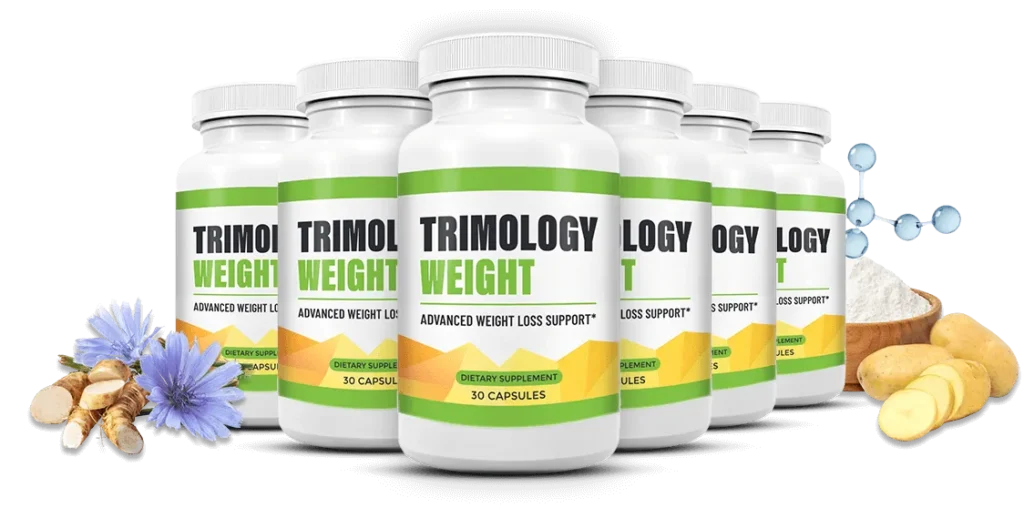
Key Takeaways
- Trimology appears to be positioned as a weight-management supplement, not a medical treatment.
- Ingredient transparency matters most because hidden blends make it harder to judge dose quality.
- Realistic results would likely be modest, such as appetite or energy support, not dramatic fat loss.
- Adults over 45 should be cautious with stimulant-based formulas or medication interactions.
- The strongest buying question is simple: does the formula justify the cost, risk, and expected benefit?
Most supplement buyers do not need more marketing. They need a cleaner way to judge what is actually in the bottle. This Trimology Review takes that approach – looking at ingredient logic, claim quality, safety considerations, and the kinds of results a realistic buyer should expect before spending money.
For adults 45 and older, that matters. Many people shopping for supplements are already dealing with fatigue, tingling, numbness, circulation concerns, weight changes, or general frustration with products that promise too much and explain too little. A useful review should separate broad wellness support from claims that go beyond the evidence.
What Is Trimology?
Trimology appears to be marketed as a body-composition or weight-management supplement rather than a targeted medical nutrition product. That distinction matters because weight-loss supplements often rely on familiar themes: metabolism support, appetite control, fat burning, energy, or detox language. Those categories can sound scientific without offering strong clinical proof for the finished product itself.
When reviewing a supplement like this, the first question is not whether the branding sounds convincing. It is whether the formula makes sense, whether the label is transparent, and whether the claims stay within what the ingredients could reasonably support.
A second question is even more practical: who is this product actually for? Some adults are looking for help with appetite habits or energy during dieting. Others may be dealing with symptoms that need medical attention, such as unexplained weight change, numbness, persistent fatigue, or digestive changes. A supplement should never become a substitute for evaluating those issues properly.
Trimology Review: What to Check First
Before judging benefits, start with the supplement facts panel. A credible product should clearly disclose each active ingredient and the amount provided per serving. If a formula hides key amounts inside a proprietary blend, it becomes much harder to tell whether the ingredients are included at meaningful levels.
That is especially important in the weight-management category, where formulas often combine caffeine, plant extracts, fiber-related compounds, and metabolism-oriented ingredients in doses that look impressive on the front label but may be modest in practice. A long ingredient list is not the same as a strong formula.
It also helps to look at the type of claims being made. There is a difference between saying a product may support a healthy weight-management plan and implying that it directly causes substantial fat loss. Evidence-informed language is usually more trustworthy than dramatic promises.
Ingredient Quality Matters More Than Branding
Trimology Ingredients
Weight-management supplements often combine stimulant compounds, metabolism-support ingredients, botanical extracts, and appetite-focused formulas. The effectiveness and tolerability of these ingredients may vary depending on dosage transparency, formulation quality, and individual sensitivity.
| Ingredient | Potential Role | Editorial Note |
|---|---|---|
| Green Tea Extract | Metabolism and antioxidant support | May contain caffeine depending on the extract concentration. |
| Caffeine / Natural Stimulants | Energy and appetite support | May not be ideal for adults sensitive to stimulants or sleep disruption. |
| Chromium | Craving and blood sugar support | More meaningful when used alongside nutrition and lifestyle changes. |
| Apple Cider Vinegar | Digestive and appetite-related support | Frequently marketed in weight-loss formulas despite mixed evidence. |
| Botanical Blend | General wellness and metabolism support | Proprietary blends may reduce transparency if ingredient doses are hidden. |
Without a transparent formula, no review can responsibly confirm effectiveness. But the general standards are straightforward. If Trimology contains stimulant-based ingredients such as caffeine, green tea extract, guarana, or similar compounds, buyers should expect the main effect to be increased alertness or temporary appetite suppression rather than a unique metabolic breakthrough.
If it includes fiber-like ingredients, glucomannan, chromium, berberine, apple cider vinegar, cayenne, or botanical extracts, each ingredient needs to be judged on its own evidence and dose. Some of these have limited supportive data in specific contexts. Others are heavily marketed despite mixed or underwhelming results.
This is where many supplement reviews go off course. They discuss ingredients as if any study on an ingredient automatically validates the finished product. That is not how supplement evidence works. An ingredient may show mild benefit in a controlled setting, but a commercial blend with lower doses or different combinations may not deliver the same outcome.
For adults over 45, there is another layer to consider: tolerability. Ingredients that seem acceptable for younger buyers can be less appealing if they raise heart rate, worsen reflux, trigger jitteriness, disturb sleep, or interact with medications.
How Strong Are the Claims?
The most credible supplement claims are modest. If Trimology is presented as supporting appetite control, energy, or healthy lifestyle goals, that is more believable than claims suggesting rapid body transformation. Real-world weight management usually depends far more on calorie intake, protein adequacy, activity level, sleep quality, medication effects, and underlying health factors than on a single capsule.
This does not mean every supplement in the category is useless. Some can be reasonable additions to a broader plan. But buyers should be cautious when a product leans on before-and-after imagery, vague clinical language, or promises that sound too certain. Supplements are often marketed around possibility, while consumers hear certainty.
That gap is where disappointment happens.
Pros
- May support appetite control or energy when paired with healthy habits.
- Fits buyers who prefer a weight-management support approach instead of extreme claims.
- Can be evaluated more fairly if the label shows full ingredient doses.
Cons
- Results are unlikely to be dramatic without diet, activity, and lifestyle changes.
- Stimulant-based or herbal formulas may not be suitable for every adult over 45.
Safety Questions Adults 45+ Should Not Ignore
A medically cautious Trimology Review has to spend time on safety, because this is where many consumers make the most expensive mistake: assuming that over-the-counter means low risk.
Stimulant-heavy formulas may not be ideal for people with high blood pressure, arrhythmia concerns, anxiety, insomnia, or sensitivity to caffeine. Some ingredients may also affect blood sugar, digestion, or how certain medications are processed. If a product contains concentrated herbal extracts, the interaction profile may be less obvious than the marketing suggests.
Digestive side effects are common in this category. Nausea, cramping, loose stool, bloating, or reflux can occur even with widely sold ingredients. That does not automatically mean a product is unsafe, but it does mean the buyer should weigh the downside against the likely benefit.
Adults taking medications for blood pressure, blood sugar, thyroid conditions, mood disorders, or anticoagulation should be especially careful. Even when a supplement does not claim to treat disease, its ingredients can still have physiological effects that matter.
The NIH Office of Dietary Supplements explains that many weight-loss supplements have limited scientific evidence and may interact with medications or medical conditions in some individuals.
What Results Are Realistic?
Most legitimate supplements do not produce dramatic visible changes on their own. If Trimology helps at all, the most realistic benefit would likely be modest support for appetite control, energy, or adherence to a calorie-conscious routine. That is very different from the idea of melting away body fat.
A helpful way to think about it is this: does the product make healthy habits easier, or is it being sold as a replacement for them? The first framing is more realistic. The second is where consumers usually overpay.
If someone notices benefits from a supplement in this category, they often describe reduced snacking, slightly better portion control, or improved motivation due to stimulant effects. Those are not trivial outcomes, but they are also not unique proof that a product has a special mechanism.
For adults with unexplained fatigue, numbness, tingling, burning sensations, or balance changes, weight changes should not be viewed in isolation. Those symptoms deserve a broader health conversation rather than a supplement-only solution. This is one reason evidence-based editorial sites such as VitB12Supplement.com focus so heavily on symptom context and not just product claims.
Signs Trimology May Be Worth Considering
A product in this category becomes more reasonable when the label is fully transparent, the dosing is clearly disclosed, the claims are moderate, and the formula avoids unnecessary complexity. Third-party quality testing, clear manufacturing standards, and straightforward customer information also help.
It may be worth considering if the buyer understands the goal correctly: not as a cure-all, but as a possible support tool within a larger weight-management plan. Buyers who tolerate stimulants well and have already reviewed the formula for interactions may be more comfortable trying a product like this than someone with multiple medical conditions or high medication burden.
Price matters too. A supplement with ordinary ingredients and ordinary evidence should not command a premium based only on branding.
Red Flags to Watch in Any Trimology Review
Consumers should slow down if they notice hidden ingredient amounts, exaggerated time-based promises, language that sounds medical without giving real evidence, or testimonials used as if they are the same as clinical proof. A formula may also deserve skepticism if it combines many trendy ingredients in very small amounts, since that often creates label appeal more than measurable effect.
Another red flag is when a review spends all its time repeating marketing copy and almost none discussing side effects, limitations, or who should avoid the product. Balanced reviews acknowledge uncertainty. They do not assume that natural means harmless or that more ingredients means more value.
Is Trimology a Scam or Legit?
Based on the available marketing style and the types of ingredients commonly used in this category, Trimology does not automatically appear to be a scam. However, that does not mean buyers should assume the product will produce dramatic or guaranteed results.
A more realistic interpretation is that Trimology may function as a general weight-management support supplement rather than a breakthrough fat-loss solution. The most important factors remain formula transparency, reasonable claims, ingredient quality, and whether the product avoids exaggerated marketing tactics.
Consumers should still be cautious with any supplement that relies heavily on proprietary blends, unrealistic before-and-after promises, or language suggesting effortless body transformation. In the weight-loss industry, marketing often sounds stronger than the actual evidence behind the finished formula.
Trimology may be worth considering for adults looking for modest lifestyle support, but it should be approached with realistic expectations rather than viewed as a guaranteed or medically meaningful weight-loss solution.
Final Verdict on Trimology
Based on how products in this category are typically marketed, Trimology should be approached as a general weight-management supplement, not as a medically meaningful solution to complex health concerns. It may be worth a closer look if the label is transparent, the ingredient doses are sensible, and the claims remain realistic. It is less appealing if the formula relies on hype, hidden blends, or promises that imply major results without strong evidence.
For most adults 45+, the best buying question is not “Could this work somehow?” It is “Does this formula justify the cost and risk for the likely level of benefit?” That single question usually leads to a better decision than any bold promise on the bottle.
🔥 Check Official Website (Limited Stock)Frequently Asked Questions
What is Trimology?
Trimology appears to be marketed as a weight-management supplement designed to support goals such as appetite control, energy, metabolism, or body-composition support. It should not be viewed as a medical treatment or a replacement for diet, exercise, or professional healthcare guidance.
Does Trimology really work for weight loss?
Trimology may offer modest support depending on its ingredient profile, dosage, and how it is used. However, no supplement should be expected to produce major fat loss on its own. Realistic results usually depend more on calorie intake, protein, activity, sleep, and consistency.
Is Trimology safe for adults over 45?
Adults over 45 should review the Supplement Facts label carefully, especially if the formula contains caffeine, green tea extract, herbal stimulants, or ingredients that may affect blood sugar, digestion, sleep, or medication use. People with medical conditions should speak with a healthcare professional before using weight-management supplements.
Does Trimology contain stimulants?
The presence of stimulants depends on the official Trimology label. Buyers should check for caffeine, green tea extract, guarana, bitter orange, or similar compounds. Stimulants may increase alertness but can also cause jitteriness, sleep disruption, or sensitivity in some users.
Is Trimology FDA approved?
Dietary supplements are not FDA-approved for weight loss before being sold in the same way prescription drugs are. Buyers should look for transparent labeling, responsible claims, quality standards, and consult a healthcare professional when needed.
Medical Disclaimer: The information provided in this article is for educational purposes only and is not intended as medical advice. Dietary supplements are not a replacement for professional medical diagnosis or treatment. Always consult with a qualified healthcare professional before starting any new supplement, especially if you have pre-existing medical conditions or are taking prescription medications. Individual results may vary.