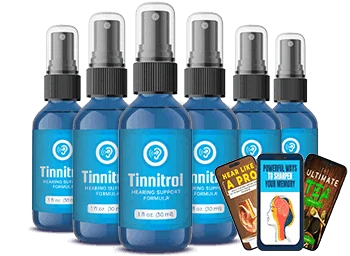
Tinnitrol is a hearing-support supplement marketed for tinnitus and auditory wellness. Its formula is positioned around ingredients commonly associated with circulation, nervous system function, and antioxidant support.
While some ingredients may have biological relevance to ear and nerve health, evidence for tinnitus supplements remains mixed, and results can vary significantly.
If you are searching for an honest Tinnitrol review, you are probably dealing with a frustrating problem: persistent ringing, buzzing, hissing, or pressure sensations that make quiet rooms feel anything but quiet. That frustration also makes people vulnerable to bold supplement marketing. The right question is not whether a product sounds convincing. It is whether the formula, claims, safety profile, and overall evidence hold up under careful review.
Tinnitrol is marketed as a dietary supplement for tinnitus-related support, typically with promises around ear health, auditory comfort, inflammation balance, circulation, and nervous system support. Those themes are common in this category. The challenge is that tinnitus is not one single condition with one single cause. It can be linked to age-related hearing changes, noise exposure, medication effects, wax buildup, jaw issues, blood vessel changes, stress, sleep disruption, and other factors. That means no supplement should be treated as a simple fix.
- Tinnitrol is marketed for tinnitus and auditory wellness support.
- It should be viewed as supportive, not as a proven tinnitus cure.
- Ingredient transparency and dosage clarity matter more than marketing claims.
- Tinnitus can have many causes, including hearing loss, stress, circulation issues, or medication effects.
- Adults taking medications should review the formula with a healthcare professional.
Tinnitrol Review 2026: Scam or Legit? The short answer
Tinnitrol Scam vs Legit Signals
| Trust Signals | Red Flags to Watch |
|---|---|
| Clear Supplement Facts panel | Miracle-style promises or guaranteed tinnitus relief |
| Transparent serving size and ingredient amounts | Hidden proprietary blends with unclear dosages |
| Realistic wellness-focused claims | Overly emotional or fear-based sales language |
| Visible refund and purchase details | Hard-to-find cancellation or refund information |
Based on the way products like Tinnitrol are usually positioned, the most reasonable answer is neither extreme. It does not automatically look like a scam simply because it is a supplement. But it should not be assumed to be a proven solution either. A legitimate supplement can still be weakly supported, overpriced, or marketed with more certainty than the science allows.
What matters most is whether Tinnitrol clearly discloses its ingredient panel, uses plausible dosages, avoids miracle-style claims, and is sold with transparent manufacturing and refund policies. If any of those pieces are vague or hidden, caution is warranted. For adults over 45, especially those taking medications or managing vascular, neurological, or hearing-related concerns, that caution matters even more.
What a careful review should examine
With a product in this category, the ingredient list is the first place to look. Many tinnitus-focused supplements rely on blends of vitamins, minerals, plant extracts, and antioxidants. Common examples across the market include vitamin B12, zinc, magnesium, ginkgo biloba, garlic, or ingredients promoted for circulation or nerve support.
That sounds sensible on the surface, but the science is mixed. A nutrient may help if a person is actually deficient, yet do very little if levels are already adequate. For example, vitamin B12 has important roles in nerve function, but that does not mean every person with ringing ears will benefit from extra B12. The same logic applies to zinc and magnesium. They are biologically relevant, but relevance is not the same thing as proven symptom improvement.
Plant extracts bring another layer of uncertainty. Ginkgo biloba is frequently discussed for circulation and cognitive support, and it has been studied in tinnitus, but findings have been inconsistent. Some people report benefit, while overall evidence does not support strong, universal expectations. If Tinnitrol uses this type of ingredient, that does not make it useless. It simply means the formula should be viewed as speculative support rather than established therapy.
The second issue is dosing. Some brands include recognizable ingredients at levels too low to reasonably expect much effect. Others hide amounts inside proprietary blends, which makes evaluation difficult. When a label highlights science-backed ingredients but conceals the actual quantities, consumers cannot judge whether the formula is thoughtfully built or mostly marketing.
Are the claims realistic?
This is where many tinnitus supplements lose credibility. Reasonable language would say a product may support auditory wellness, stress resilience, micronutrient status, or vascular health in some users. Unreasonable language would imply that it can stop ringing quickly, repair hearing damage, or work for nearly everyone.
Tinnitus symptoms often fluctuate. Stress, fatigue, caffeine, alcohol, sinus pressure, and sleep quality can all influence perceived intensity. Because symptoms naturally change, it is easy for testimonials to sound dramatic even when the underlying cause remains unresolved. That is why personal stories should never carry more weight than ingredient transparency and realistic claim language.
If Tinnitrol relies heavily on emotional marketing, before-and-after style promises, or language suggesting a hidden root cause that only this formula can address, that is a red flag. Credible health products do not need to oversell.
Ingredient logic versus clinical proof
One of the most common mistakes consumers make is confusing ingredient logic with product proof. A formula may contain nutrients associated with nerve health, circulation, and antioxidant defense. That creates a plausible story. But unless the finished product itself has been clinically tested, there is still a gap between theory and outcome.
This distinction matters. A supplement can be legitimate in the sense that it contains real ingredients and is manufactured properly, while still lacking direct evidence that it meaningfully reduces tinnitus severity. For that reason, Tinnitrol should be judged as a supportive wellness product, not as a medically validated answer to chronic ear ringing.
For older adults, this is especially important because tinnitus may overlap with hearing loss, medication side effects, blood pressure changes, temporomandibular joint problems, or age-related auditory changes. A supplement cannot sort through those possibilities for you.
Tinnitrol Ingredients Breakdown
| Ingredient | Intended Role | Evidence Quality |
|---|---|---|
| Vitamin B12 | Associated with nerve function and neurological support | May help if deficiency is present, but not universally proven for tinnitus |
| Magnesium | Often linked to nervous system and muscle function | Some biological relevance, but evidence remains mixed |
| Zinc | Supports immune and cellular function | May matter more in individuals with low zinc status |
| Ginkgo Biloba | Frequently promoted for circulation and cognitive support | Studied in tinnitus, but findings have been inconsistent |
| Antioxidant Compounds | Marketed for oxidative stress support | Theoretical relevance, but limited direct tinnitus evidence |
Safety and interaction concerns adults 45+ should consider
Even when a formula looks natural, natural does not automatically mean low risk. If Tinnitrol contains ginkgo, garlic, or similar extracts, people taking blood thinners, aspirin, or certain heart medications should be cautious. If it contains significant levels of zinc or other minerals, long-term overuse may create imbalances. If it includes stimulating compounds, they may worsen sleep or nervousness in sensitive users.
This is one reason medically cautious readers should avoid impulse purchases based only on reviews with star ratings. The safer approach is to read the label carefully and compare it against your medication list, medical history, and recent lab work if available. A clinician or pharmacist can help identify obvious issues.
Another practical point is symptom timing. Sudden tinnitus, one-sided tinnitus, pulsatile sounds that follow your heartbeat, dizziness, hearing loss, ear pain, or neurological symptoms deserve medical attention rather than supplement-first self-treatment. Those patterns can signal problems that should not be brushed aside.
Tinnitrol Side Effects and Complaints
Tinnitrol is marketed as a natural hearing-support supplement, but “natural” does not automatically mean risk-free. Side effects can depend on the full formula, dosage, medical history, and medications a person may already be taking.
Possible Side Effects
- Mild digestive discomfort in sensitive users
- Headache or nausea depending on ingredient tolerance
- Sleep changes if the formula contains stimulating compounds
- Possible interaction concerns with blood thinners or heart medications
- Mineral imbalance risk if high doses of zinc or similar nutrients are used long term
Common Complaints to Watch For
- Results may be slower or weaker than expected
- Some users may not notice meaningful tinnitus improvement
- Marketing claims may sound stronger than the available evidence
- Refund or billing details should be reviewed before purchasing
- The full Supplement Facts panel should be checked before ordering
Seek medical care promptly for sudden hearing loss, one-sided tinnitus, dizziness, ear pain, pulsatile sounds, or neurological symptoms. These should not be handled with supplements alone.
Is Tinnitrol a scam?
A true scam usually involves deceptive billing, missing ingredient details, fake endorsements, impossible claims, or products that are difficult to cancel or return. Without those features, a supplement may be better described as unproven or overmarketed rather than fraudulent.
So is Tinnitrol a scam? Probably not in the strictest sense if it is a real supplement with a disclosed label and standard e-commerce practices. But if the sales page leans on miracle language, vague proprietary claims, or inflated expectations, then the concern shifts from fraud to credibility. That is still an important distinction for consumers.
In other words, a product can be legally sold and technically real while still not being a smart buy.
Who Should Think Carefully Before Using Tinnitrol
- People with sudden hearing loss, dizziness, ear pain, or one-sided tinnitus.
- Adults taking blood thinners, heart medication, or multiple prescriptions.
- Anyone expecting fast or guaranteed tinnitus relief.
- People who have not reviewed the full ingredient label before buying.
Always consult a qualified healthcare professional before starting supplements, especially if you have existing medical conditions or take prescription medications.
Who might consider it, and who should think twice?
Tinnitrol may appeal to adults who want a non-prescription option and understand that results, if any, are likely to be modest and gradual. It may make the most sense for someone who has already ruled out more urgent causes and is interested in nutritional support as one piece of a broader self-care plan.
That broader plan matters. For many people, better value comes from combining hearing evaluation, medication review, sleep improvement, stress management, and sound therapy strategies rather than relying on one capsule. If the supplement is expensive, the bar for evidence should rise accordingly.
People who should think twice include anyone expecting fast symptom elimination, anyone with complex medical conditions, and anyone taking multiple medications that raise interaction risk. The same goes for buyers who have not seen the full Supplement Facts panel before purchasing.
Who Tinnitrol May Be Better Suited For
- Adults interested in non-prescription hearing-support supplements.
- People with realistic expectations about gradual wellness support.
- Consumers who want to compare tinnitus supplement formulas carefully.
- Older adults focused on circulation, nerve, and auditory wellness support.
My honest analysis of Tinnitrol in 2026
From an evidence-informed standpoint, Tinnitrol belongs in the category of plausible but uncertain supplements. The concept is understandable. Some ingredients commonly used in these formulas have biological relevance to nerve function, circulation, or antioxidant support. But tinnitus is too varied and too individual for a supplement like this to be treated as a dependable answer.
That does not mean nobody will feel better using it. Some users may report reduced symptom awareness, especially if stress, sleep, nutritional status, or general wellness improve at the same time. But those outcomes are different from proving that Tinnitrol directly addresses the root cause of tinnitus.
For cautious buyers, the deciding factors should be transparency, dosage clarity, safety, cost, and whether the company markets the product responsibly. If those boxes are not checked, there is little reason to assume premium value. If they are checked, Tinnitrol may still be worth viewing as an optional trial, not a cornerstone solution.
A good rule for supplement shoppers is simple: buy only what you can explain clearly. If you cannot identify the ingredients, understand why they are included, and judge whether the claims match the evidence, the product is not ready for your cart. With Tinnitrol, that mindset is far more useful than chasing promises on a sales page.
Is Tinnitrol Worth Considering?
From a cautious, evidence-informed perspective, Tinnitrol appears to fit into the category of wellness-focused hearing support supplements rather than medically proven tinnitus solutions.
Some ingredients commonly associated with circulation, antioxidant support, and nerve health may have biological relevance for certain individuals. However, tinnitus is highly complex, and no supplement should be viewed as a guaranteed answer for persistent ringing or hearing-related symptoms.
For adults who understand the limitations of supplements and prefer realistic expectations over exaggerated promises, Tinnitrol may still be worth evaluating carefully. Transparency, dosage clarity, safety considerations, and responsible marketing matter far more than dramatic testimonials.
Check Tinnitrol Availability & Official Details
Review the official ingredient information, serving details, pricing, and current availability directly from the official Tinnitrol website.
Check Official Website →Frequently Asked Questions
Does Tinnitrol really work for tinnitus?
Tinnitrol may help support ear health and reduce the intensity of ringing sounds for some users by focusing on circulation and nerve support. However, results vary based on the underlying cause of tinnitus and overall health.
How long does it take to see results with Tinnitrol?
Most users may notice gradual improvements within 4 to 8 weeks of consistent use. Supplements are designed for long-term support rather than instant relief.
Is Tinnitrol safe for everyone?
While Tinnitrol uses natural ingredients, it is important for individuals on medication — especially blood thinners or blood pressure medications — or those with pre-existing conditions to consult a healthcare professional before use.
Is Tinnitrol FDA approved?
Dietary supplements like Tinnitrol are not FDA-approved in the same way as prescription drugs. However, they should be manufactured in facilities that follow Good Manufacturing Practices (GMP).
Are there any side effects?
Possible side effects are uncommon but may include mild digestive discomfort, headaches, or ingredient sensitivity. Always review the ingredient label carefully before starting any supplement.
Where is the best place to buy Tinnitrol?
To help ensure authenticity and eligibility for refund or money-back policies, it is generally recommended to purchase Tinnitrol directly from the official website.
Check Official Website →Medical Disclaimer: The information provided in this article is for educational purposes only and is not intended as medical advice. Dietary supplements are not a replacement for professional medical diagnosis or treatment. Always consult with a qualified healthcare professional before starting any new supplement, especially if you have pre-existing medical conditions or are taking prescription medications. Individual results may vary.