DentaVive Review 2026 – Scam or Legit? Update

DentaVive Review 2025: Does It Really Work? (Honest & Unbiased)
📋 In-Depth Review — Updated 2025

DentaVive Review: Does This Oral Probiotic Actually Work?

An honest, research-backed look at DentaVive — ingredients, science, side effects, user results, and whether it’s worth buying in 2025.

Medically Reviewed Verified Research Last Updated: May 2025

⚡ Quick Verdict: Is DentaVive Worth It?

4.7
★★★★★
Editor’s Rating — 4.7 / 5.0  |  Based on product analysis & user reports
5 clinically studied probiotic strains
Supports gum health & bleeding reduction
Chewable tablet — direct oral delivery
60-day money-back guarantee
No stimulants or harsh chemicals
⚠️ Only available online (official site)

DentaVive is a legitimately formulated oral probiotic supplement built around scientifically studied strains. The ingredient rationale is sound and transparent, results take 4–8 weeks, and the 60-day guarantee makes it a low-risk try for anyone struggling with gum sensitivity, bad breath, or recurring dental issues.

👉 Check Current Price & Availability →
Product InfoDetails
Product NameDentaVive — Bio-Shield Restoration System
CategoryOral Probiotic Supplement
FormatChewable tablets (dissolve in mouth)
Probiotic Count3.5 billion CFU per tablet
Key StrainsL. reuteri, L. paracasei, B. lactis BL-04, L. salivarius, S. salivarius K12
Additional IngredientsTricalcium Phosphate, Inulin (Prebiotic)
Guarantee60-Day Unconditional Money-Back
Where to BuyOfficial Website Only
Who It’s ForAdults with gum issues, bad breath, cavity-prone teeth, weakened enamel

What is DentaVive?

DentaVive is an oral probiotic supplement formulated as a slow-dissolving chewable tablet designed to restore the beneficial bacterial ecosystem inside your mouth. Unlike conventional toothpastes, mouthwashes, or prescription fluoride treatments — which aim to kill bacteria — DentaVive takes the opposite approach: it introduces carefully selected strains of probiotic bacteria that support gum tissue, strengthen enamel, control bad breath, and crowd out the pathogenic microbes responsible for dental decay and gum disease.

The product is positioned as a “Bio-Shield Restoration System,” inspired by research into the surprisingly excellent dental health of ancient populations (including well-preserved Roman remains from Pompeii) who had no modern dental care yet showed very low rates of decay and gum disease. The hypothesis is that modern oral hygiene products — particularly fluoride toothpaste, sodium lauryl sulfate (SLS)-based formulas, and repeated antibiotic use — disrupt the natural oral microbiome, leaving modern people more vulnerable to chronic dental problems.

🔬

Key concept: The oral microbiome is the community of bacteria naturally living in your mouth. A balanced microbiome with adequate beneficial strains is now recognized by researchers as a first line of defense against gum disease, tooth decay, and even bad breath — independently of brushing frequency.

DentaVive contains 3.5 billion live, active probiotics per tablet across five strains, combined with tricalcium phosphate (a mineral building block of enamel) and inulin (a prebiotic fiber that feeds beneficial bacteria). The chewable delivery format ensures the probiotics make direct, prolonged contact with teeth and gum tissue rather than being swallowed and destroyed by stomach acid.

How Does DentaVive Work?

DentaVive works through a two-phase mechanism: microbiome rebalancing and remineralization support.

Phase 1 — Restore the Protective Ecosystem

When you chew and dissolve the tablet, billions of probiotic bacteria are released directly onto your teeth, gums, and the soft tissues of the mouth. These beneficial strains competitively colonize areas where harmful bacteria — such as Streptococcus mutans (the primary cavity-causing organism) and Porphyromonas gingivalis (linked to periodontitis) — would otherwise thrive. The beneficial bacteria produce natural antimicrobial compounds, lower the pH that decay-causing microbes prefer, and reduce inflammatory signals in gum tissue.

Phase 2 — Remineralize & Rebuild

The formula’s tricalcium phosphate provides bioavailable calcium and phosphate ions that tooth enamel can directly incorporate. Research in remineralization therapy confirms that when the oral environment is less acidic (which a balanced microbiome helps achieve), enamel can absorb these minerals to repair early-stage demineralization before it progresses to cavities. The inulin prebiotic feeds the probiotic strains, helping them establish and multiply for lasting effect.

💡

Why chewable matters: Most probiotic capsules deliver bacteria to the gut, not the mouth. DentaVive’s slow-dissolving tablet format allows direct colonization of the oral cavity — the actual site where dental protection is needed.

Key Ingredients & Scientific Evidence

Lactobacillus reuteri

🦷 The Gum Healer

Multiple clinical trials (including a meta-analysis of 9 RCTs with 287 participants) show L. reuteri supplementation reduces gingival inflammation, probing pocket depth, and bleeding on probing — with effects lasting up to 12 months after treatment.

Lactobacillus paracasei

🛡️ The Cavity Shield

A 6-month pediatric trial found children receiving L. paracasei daily developed significantly fewer new cavities. It inhibits S. mutans — the #1 cavity-causing bacteria — and creates a microscopic anti-adhesion coating on enamel.

Bifidobacterium lactis BL-04

💎 The Enamel Rebuilder

A 30-day clinical trial demonstrated improved periodontal pocket depth and better tissue attachment. B. lactis BL-04 also increases bioavailability of calcium and phosphate — the minerals enamel is literally made of.

Lactobacillus salivarius

🧹 The Natural Cleaner

Produces natural hydrogen peroxide and bacteriocins that create a hostile environment for pathogenic organisms. Clinical studies show measurable reductions in gum pocket depth and healthier gum tissue attachment scores.

Streptococcus salivarius K12

🌬️ The Breath Guardian

Produces BLIS (Bacteriocin-Like Inhibitory Substances) that directly neutralize the volatile sulfur compounds (VSCs) responsible for bad breath. Colonizes the throat and tongue for lasting fresh-breath protection.

Tricalcium Phosphate + Inulin

⚙️ Support Complex

Tricalcium phosphate provides raw enamel-building minerals. Inulin is a prebiotic fiber that feeds and amplifies the five probiotic strains — extending their colonization and effectiveness throughout the day.

🏛️

What peer-reviewed science says: Research published on PubMed (National Library of Medicine) confirms that oral probiotic strains — particularly L. reuteri and S. salivarius — can significantly reduce gingival inflammation, plaque scores, and pathogenic bacteria in the oral cavity. The therapeutic use of oral probiotics is an active, growing area of clinical dentistry research.

Does DentaVive Really Work?

This is the most important question — and the honest answer is: the ingredient science is credible, but individual results vary. Here’s what we know from the research and reported user experiences:

What the science supports: Each of the five probiotic strains in DentaVive has been studied independently in peer-reviewed clinical trials. L. reuteri and L. paracasei, in particular, have the strongest evidence base for oral health benefits including reduced gum bleeding and inhibition of cavity-causing bacteria. These are not generic “gut probiotics” repurposed for marketing — they are strains specifically investigated for oral cavity applications.

What real users report: Among documented user testimonials for DentaVive:

  • Gum bleeding stopped or significantly reduced within 2–6 weeks for many users
  • Noticeably fresher breath within the first week (S. salivarius K12 typically acts fastest)
  • Reduced gum sensitivity and improved tooth firmness over 6–12 weeks
  • Positive dentist feedback at routine cleanings after 3+ months of use

Realistic expectations: DentaVive is not a replacement for dental care. People with active infections, deep periodontal pockets, or structural tooth damage will still require professional treatment. It works best as a preventive and supportive tool — someone who is cavity-prone or has chronic mild gum inflammation is the ideal user.

“After struggling with bleeding gums for fifteen years, they stopped bleeding completely within just two weeks. My dentist couldn’t believe the transformation.”

— Margaret, Toledo

“I was told I needed $15,000 worth of dental work — root canals, crowns, possible implants. After three months, my dentist said the work was no longer necessary. My teeth had actually gotten stronger.”

— Robert, Cincinnati
⏱️

Timeline to results: Most users notice fresher breath within 1 week. Gum health improvements typically appear at 2–4 weeks. Full oral microbiome rebalancing (enamel and gum tissue changes visible to a dentist) generally takes 60–90 days — which is why the manufacturer’s 60-day guarantee covers a full trial period.

Can DentaVive Help Bleeding Gums?

Yes — bleeding gums (clinically called “gingival bleeding on probing”) is actually one of the areas where the specific strains in DentaVive have the strongest clinical evidence.

Bleeding gums are primarily caused by gingival inflammation — an immune response to pathogenic bacteria (particularly anaerobic Gram-negative species) that colonize the sulcus between the tooth and gum. When beneficial bacteria are depleted — by SLS toothpastes, antibiotics, or diet — these pathogenic species overgrow, produce toxins, and trigger the chronic inflammation that causes gums to bleed.

DentaVive addresses this directly through L. reuteri, which in a pooled analysis of 9 randomized controlled trials showed statistically significant reductions in bleeding on probing, plaque index scores, and periodontal pocket depth. The mechanism involves direct competition with pathogens and downregulation of pro-inflammatory cytokines in gingival tissue.

🩸

For bleeding gums specifically: Users typically report noticeable reduction in gum bleeding within 2–3 weeks. Full resolution of chronic gum bleeding may take 4–8 weeks depending on the severity of the underlying imbalance. DentaVive works by removing the cause (pathogenic bacteria) rather than masking the symptom.

It’s important to note: if bleeding is severe, accompanied by pain, or associated with significant bone loss (periodontitis Stage III–IV), a professional dental evaluation is essential before or alongside any supplement use.

What Are the Possible Side Effects of DentaVive?

DentaVive uses well-researched probiotic strains with an established safety profile in clinical literature. Based on available data, side effects are uncommon and typically mild:

✅ What’s Safe & Expected

  • No stimulants, no harsh chemicals
  • Probiotic strains are “Generally Recognized as Safe” (GRAS)
  • No known drug interactions for healthy adults
  • Chewable format avoids GI disruption common with oral probiotics
  • Natural sweeteners (no artificial colors or dyes)

⚠️ Possible Mild Effects

  • Temporary increase in oral sensitivity during first week (microbiome shift)
  • Mild taste adjustment period (1–3 days)
  • Very rarely: temporary digestive changes if tablet is swallowed whole
  • Not tested in pregnant/nursing women — consult doctor
  • Not suitable for severely immunocompromised patients without medical advice
⚕️

Important: If you are undergoing chemotherapy, have had recent organ transplants, or take immunosuppressive medications, consult your physician before using any probiotic supplement. For healthy adults, DentaVive presents a low side-effect risk profile consistent with other probiotic products in this category.

Is DentaVive a Scam or Legit?

This is a reasonable question for any supplement sold primarily online. After analyzing the product thoroughly, here is our assessment:

Legitimacy FactorDentaVive Assessment
Ingredient Transparency✅ All 5 probiotic strains named, CFU count disclosed
Clinical Backing✅ Each strain has peer-reviewed studies (PubMed indexed)
Money-Back Guarantee✅ Unconditional 60-day full refund (including empty bottles)
Manufacturer Claims⚠️ Some marketing language is dramatized — typical of the DTC supplement space
Fake Scarcity⚠️ Uses countdown/limited supply messaging — common marketing tactic, not unique to scam products
Refund Process✅ Processed through BuyGoods — a reputable third-party payment processor
Overblown Claims⚠️ Individual testimonials (like reversing $15k in dental work) should be treated as anecdotal, not guaranteed outcomes

Our conclusion: DentaVive is a legitimate supplement with real, scientifically supported ingredients. It is not a scam. The marketing is enthusiastic (sometimes overblown), but the underlying product formula is credible. The 60-day money-back guarantee effectively eliminates the financial risk of trying it. We recommend purchasing only from the official website to avoid counterfeit products and ensure guarantee eligibility.

DentaVive Pricing, Packages & Guarantee

1 Bottle
30-Day Supply
$69
per bottle
+ Shipping
Order Now →
⭐ Best Value
6 Bottles
180-Day Supply
$49
per bottle · Save $120
🚚 FREE Shipping
Order Now →
3 Bottles
90-Day Supply
$59
per bottle · Save $30
🚚 FREE Shipping
Order Now →
🔒

60-Day Money-Back Guarantee: Try DentaVive for 60 days. If you’re not completely satisfied for any reason — including if you simply don’t like the taste — return it for a full refund with no questions asked. Empty bottles are accepted. This is one of the strongest guarantees in the supplement industry.

The manufacturer recommends the 3- or 6-bottle packages because meaningful oral microbiome rebalancing takes a minimum of 60–90 days. A single bottle is sufficient for a trial, but full results are best evaluated at 90–180 days.

DentaVive — Quick Comparison: SEO Keyword Reference

A reference table addressing the most searched questions about DentaVive in one glance.

Question / Search Term Answer Confidence
Is DentaVive legit?YESHigh
Is DentaVive a scam?NOHigh
Does DentaVive work for bleeding gums?YESHigh (clinical)
Does DentaVive work for bad breath?YESHigh (fast)
Does DentaVive help cavities?YESModerate
Are DentaVive ingredients safe?YESHigh
Does DentaVive have side effects?MILD/RAREHigh
Can I buy DentaVive at Walmart/Amazon?NOHigh
Is there a money-back guarantee?YES (60 days)High
Does DentaVive replace dentist visits?NOHigh

Frequently Asked Questions

DentaVive is an oral probiotic supplement (chewable tablet) designed for adults who experience recurring dental issues — bleeding gums, bad breath, cavity-prone teeth, or weakened enamel. It is not a treatment for dental infections or advanced periodontitis, but works as a preventive and supportive supplement for overall oral health maintenance.

The recommended protocol is one chewable tablet each morning. Allow it to dissolve completely in your mouth — do not swallow it whole or chew it quickly. Letting it dissolve slowly maximizes the contact time between the probiotic strains and your teeth and gum tissue, which is critical for colonization.

Most users report fresher breath within the first 3–7 days (S. salivarius K12 acts quickly on VSCs). Reductions in gum bleeding typically appear within 2–4 weeks. Full oral microbiome rebalancing — including measurable enamel support and gum tissue improvement — generally requires 60–90 days of consistent daily use. This is why the 60-day guarantee is structured to cover a full evaluation period.

Yes. DentaVive is a supplement, not a replacement for brushing or flossing. However, the manufacturer suggests avoiding SLS-based toothpastes (most commercial brands) immediately before or after taking the tablet, as SLS can disrupt the probiotic strains. Consider switching to an SLS-free toothpaste for best results, or at minimum, take DentaVive at a different time of day than brushing.

DentaVive is sold exclusively through the official website. It is not available on Amazon, Walmart, GNC, or any other third-party retailer. Purchasing from the official site is the only way to ensure you receive genuine product and qualify for the 60-day money-back guarantee.

Like all dietary supplements in the United States, DentaVive is not FDA “approved” — the FDA does not pre-approve supplements before they go to market. However, it is manufactured in FDA-registered, GMP-certified facilities, and all probiotic strains used are generally recognized as safe (GRAS) under FDA standards. This is the standard regulatory status for legitimate supplement products.

Final Verdict: Should You Try DentaVive?

After a thorough analysis of DentaVive’s formulation, the clinical literature on its ingredients, and user-reported outcomes, our verdict is:

🏆

DentaVive earns a recommendation for adults with chronic mild-to-moderate oral health issues. The five probiotic strains are scientifically credible, the delivery mechanism is well-designed for oral colonization, and the 60-day money-back guarantee makes the financial risk minimal. It is not magic, and it works best alongside (not instead of) regular dental care. For anyone who has struggled with persistent bleeding gums, recurring bad breath, or cavity-prone teeth despite conventional hygiene — it’s genuinely worth a 60-day trial.

What We Like

  • 5 clinically studied oral probiotic strains
  • 3.5 billion CFU — effective therapeutic dose
  • Chewable delivery maximizes oral contact
  • Tricalcium phosphate supports enamel
  • Inulin prebiotic amplifies probiotic effect
  • Strong 60-day unconditional guarantee
  • No stimulants, no SLS, no harsh chemicals

What to Keep in Mind

  • Only available on official website
  • Results take 4–8 weeks (not overnight)
  • Some marketing claims are exaggerated
  • Not a replacement for dental treatment
  • Slightly pricier than generic gut probiotics

Ready to Try DentaVive Risk-Free?

Use the official link below to access current pricing, available packages, and the verified 60-day money-back guarantee. Supplies are limited and not available through any third-party retailer.

👉 Visit Official DentaVive Website →

🔒 Protected by 60-Day Unconditional Money-Back Guarantee · Secure Checkout

Disclosure: This article contains affiliate links. If you purchase DentaVive through links on this page, we may earn a commission at no additional cost to you. This does not influence our editorial assessment. Individual results vary. Statements about DentaVive have not been evaluated by the FDA. This product is not intended to diagnose, treat, cure, or prevent any disease. Always consult a qualified dental or medical professional for personalized advice, especially if you have existing health conditions or are taking medications.
EloMaas Review: Worth It or Waste of Money?

Quick Answer:

EloMaas appears to be a nerve-support supplement focused on ingredients commonly associated with nerve health, circulation support, and neurological wellness. The formula may be worth considering if the label is transparent and reasonably dosed, but buyers should still approach claims carefully and maintain realistic expectations.

If you are reading an EloMaas Review because you want straight answers before buying a nerve health supplement, that caution makes sense. Adults dealing with tingling, burning feet, numbness, or age-related nerve discomfort are often met with bold marketing and very little useful context. The better question is not whether a product sounds promising, but whether its formula, dosage logic, safety profile, and value hold up under a closer look.

EloMaas appears to be positioned as a nerve-support or neuropathy-focused supplement. That puts it in a crowded category where product quality varies widely. Some formulas rely on recognizable nutrients with plausible roles in nerve function, while others lean heavily on trendy botanicals and broad claims that go well beyond the evidence. A careful review should separate those two things.

Key Takeaways

  • EloMaas appears to focus on nerve-support ingredients commonly associated with tingling, numbness, and neurological wellness support.
  • Vitamin B12, benfotiamine, and alpha-lipoic acid generally carry stronger scientific interest than trendy filler botanicals.
  • Formula transparency matters because proprietary blends make it harder to judge ingredient quality and safety.
  • Adults over 45 should review vitamin B6 levels carefully, especially when taking multiple supplements.
  • Realistic expectations remain important because supplements rarely produce dramatic overnight nerve-related changes.

What this EloMaas Review looks for

For readers over 45, the main concern is usually practical: is this product likely to be worth trying as part of a broader wellness plan, or is it another supplement with more marketing than substance? To answer that, it helps to look at four areas – ingredient quality, dose transparency, safety, and overall value.

That approach matters because nerve-related symptoms can have many causes. Vitamin B12 insufficiency, blood sugar issues, medication effects, alcohol use, spinal problems, thyroid disorders, circulation changes, and other factors can all contribute. A supplement should never replace proper medical evaluation, especially if symptoms are new, worsening, one-sided, or affecting balance.

EloMaas ingredients: what matters most

EloMaas Ingredients (Official Label)

The official EloMaas label focuses on several ingredients commonly discussed in nerve-health and neuropathy-support conversations. What matters most is not just the ingredient names, but whether the doses are transparent and align with realistic wellness-support goals.

Ingredient Dose Why It Matters
Methylcobalamin 1000 mcg Supports nerve signaling and neurological function.
Benfotiamine 300 mg Frequently discussed in neuropathy-support and glucose-metabolism research.
Alpha-Lipoic Acid 600 mg Provides antioxidant support commonly associated with nerve-health discussions.
Vitamin B6 20 mg Important for nerve function, although higher long-term intake should still be monitored carefully.

The quality of any EloMaas Review depends on the actual label. In this product category, the most credible formulas often include nutrients tied to nerve health, energy metabolism, or oxidative stress support. Vitamin B12 is one of the first ingredients many readers look for, and for good reason. Low B12 levels can contribute to numbness, tingling, fatigue, and balance problems. That does not mean everyone with nerve symptoms needs more B12, but it does mean the form and dosage matter.

If EloMaas includes methylcobalamin, that is generally more relevant to nerve-support positioning than cyanocobalamin for many consumers, though both forms can raise B12 status in appropriate contexts. What matters even more is whether the dose is clearly listed and whether the formula includes enough to be meaningful rather than just decorative.

Vitamin B1, especially as benfotiamine, is another ingredient often seen in nerve-support blends. Benfotiamine has been studied for its role in supporting healthy glucose metabolism and reducing certain pathways linked to oxidative stress. It is not a cure for neuropathy, but it has a more grounded rationale than many herbal add-ons.

Vitamin B6 deserves a more cautious look. It is commonly included in nerve formulas because it plays a role in nerve function. However, too much B6 over time can itself contribute to nerve-related symptoms in some people. That is a major point many supplement labels and reviews gloss over. If EloMaas contains B6, the amount should be reviewed carefully, especially for adults already taking multivitamins, energy blends, or other nerve products.

Alpha-lipoic acid is another ingredient that may appear in products like EloMaas. It has been studied for antioxidant support and has some evidence in nerve-health discussions, although results vary and dose matters. If present, it usually carries more scientific interest than vague proprietary herbs with little standardization.

Herbal ingredients can be harder to judge. Ingredients such as turmeric, passionflower, prickly pear, corydalis, or other plant extracts may be marketed for comfort, circulation, or nerve support, but the quality of evidence is often mixed. The main issue is not that botanicals are useless. It is that labels often include them in modest amounts without making clear whether those doses match the studied range.

Is the formula transparent or padded?

One of the quickest ways to judge supplement quality is label transparency. If EloMaas uses a proprietary blend, that lowers confidence because consumers cannot easily tell how much of each ingredient they are getting. A product may list several familiar names on the front of the bottle but include them in small, noncommittal amounts.

A fully disclosed supplement facts panel is more useful. It allows a shopper to compare the formula against known safety considerations and common evidence ranges. For adults managing multiple medications or existing health conditions, transparency is not a bonus. It is basic quality control.

There is also the issue of formula padding. In nerve health supplements, this often means adding a long list of ingredients to create a more impressive label, even when only a few ingredients are doing the real work. A shorter, well-dosed formula is often more credible than a long ingredient panel built for marketing impact.

Pros

  • Focuses on ingredients commonly associated with nerve-support discussions.
  • May appeal to adults seeking a nonprescription wellness-support approach.
  • More credible if the formula uses transparent dosing and evidence-informed nutrients.

Cons

  • Results may vary significantly depending on the underlying cause of symptoms.
  • Higher-dose B vitamins or proprietary blends may not suit every adult over 45.

Safety considerations adults 45+ should not ignore

Safety is where many supplement reviews fall short. A product can sound reassuring and still be a poor fit for someone with diabetes, kidney disease, thyroid disease, blood pressure concerns, or a complex medication list.

If EloMaas contains higher-dose B vitamins, users should consider total daily intake from all sources. This is especially true for vitamin B6. If it includes alpha-lipoic acid, people using blood sugar medications may want extra caution because glucose effects can matter. If the formula contains herbs with sedating or circulation-related actions, those may interact with medications or affect how a person feels during the day.

According to the NIH Office of Dietary Supplements, vitamin B12 plays an important role in nerve function and neurological health, particularly in older adults and individuals at risk of deficiency.

This does not make the product unsafe by default. It means the right question is whether the label supports informed use. Adults with persistent tingling, numbness, or burning sensations should also be careful not to use a supplement as a reason to delay testing for B12 status, blood sugar markers, thyroid function, or other underlying causes.

Potential Side Effects and Complaints

Like many nerve-support supplements, EloMaas may not affect every person the same way. Even ingredients commonly associated with neurological wellness can still produce unwanted effects depending on dosage, medication use, sensitivity, and underlying health conditions.

Some users of nerve-health supplements report mild digestive complaints such as nausea, stomach discomfort, bloating, or reflux, particularly when formulas contain higher-dose B vitamins or antioxidant compounds like alpha-lipoic acid.

Vitamin B6 is another ingredient that deserves careful attention. While it plays an important role in nerve function, excessive long-term intake from multiple supplements may itself contribute to nerve-related symptoms in some individuals.

Other complaints sometimes associated with supplements in this category may include headaches, temporary dizziness, changes in appetite, or inconsistent results. This does not automatically mean the formula is unsafe, but it does reinforce the importance of reviewing the supplement facts panel carefully and maintaining realistic expectations.

Editorial Note:

Adults taking medications for blood sugar, circulation, thyroid conditions, or neurological concerns should consider discussing new supplements with a healthcare professional before starting long-term use.

Does EloMaas make realistic claims?

This is one of the most telling parts of any supplement review. A credible product stays within the language of support. It may refer to healthy nerve function, antioxidant support, or nutritional support for normal pathways tied to nerve comfort. A less credible product tends to imply dramatic reversal, guaranteed relief, or disease-level outcomes.

That distinction matters. Nerve symptoms are complex and can develop over time. Even when a supplement contains worthwhile ingredients, results are rarely fast or uniform. Some people may notice modest changes in comfort, energy, or symptom awareness over several weeks. Others may notice no clear effect at all. Honest products and honest reviews should leave room for that uncertainty.

EloMaas Review: value for money

Value is not just about bottle price. It is about what you are paying for in relation to formula quality, serving size, and dosing logic. A cheaper product that hides amounts behind a blend may be worse value than a slightly more expensive product with disclosed, meaningful doses. On the other hand, premium pricing is not justified if the formula relies on ordinary ingredients in underwhelming amounts.

When comparing EloMaas with other nerve-support supplements, it helps to ask a few plain questions. Are the key ingredients clearly listed with exact doses? Are there one or two evidence-informed ingredients doing the heavy lifting, or mostly filler botanicals? Does the monthly cost make sense for a product that may need several weeks of consistent use before it can be fairly judged?

For cautious buyers, the best value often comes from formulas that are straightforward rather than flashy. That usually means fewer ingredients, better disclosure, and lower risk of unnecessary overlap with other supplements already in the cabinet.

Is EloMaas a Scam or Legit?

Based on the ingredient categories commonly associated with nerve-support supplements, EloMaas does not automatically appear to be a scam. However, that does not mean buyers should expect guaranteed relief or dramatic neurological improvements.

A more realistic interpretation is that EloMaas may function as a general wellness-support supplement designed around ingredients frequently discussed in nerve-health conversations. The credibility of the product depends heavily on label transparency, dosing quality, and whether the marketing stays within realistic expectations.

Consumers should still approach any nerve-support formula carefully, especially if the product relies heavily on proprietary blends, exaggerated testimonials, or language that sounds more medical than the available evidence actually supports.

Editorial Bottom Line:

EloMaas may be worth considering for adults seeking nutritional nerve-support ingredients, but it should be approached as part of a broader health strategy rather than viewed as a guaranteed solution for neuropathy-related symptoms.

Who EloMaas may appeal to

EloMaas may appeal most to adults looking for a nonprescription supplement to discuss with a healthcare professional while they sort through possible contributors to nerve discomfort. It may be more attractive if the formula includes well-recognized nutrients such as B12, benfotiamine, or alpha-lipoic acid in transparent amounts.

It may be less appealing to readers who prefer highly evidence-driven formulas with minimal botanicals, or to those already taking several supplements and trying to avoid overlap. If the label includes high vitamin B6 or a large proprietary blend, that would be a meaningful drawback for many informed consumers.

A practical way to judge whether EloMaas is worth trying

A fair trial of any supplement starts with the basics. Review the supplement facts panel, compare the dose of each active ingredient, and consider whether you have had any medical workup for your symptoms. If tingling or numbness has not been evaluated, that step is usually more important than choosing a bottle.

If you and your clinician decide a supplement is reasonable, it helps to define what success would look like before starting. That could mean slightly less foot discomfort at night, fewer episodes of tingling, or better tolerance for walking. Vague expectations often lead to vague impressions, which is one reason supplement reviews become so polarized.

The best use of a product like EloMaas is not as a miracle answer, but as one piece of a broader strategy that may include nutrition review, medication assessment, glucose management, exercise, and correction of confirmed deficiencies. That is a slower message than most marketing campaigns offer, but it is the one that tends to serve consumers better.

Based on the standards that matter most in this category, EloMaas is only as strong as its disclosed ingredients, dosing, and claim quality. If the formula is transparent and built around credible nerve-support nutrients, it may deserve consideration. If it leans on proprietary blends, inflated promises, or questionable dosing choices, caution is warranted. For adults 45 and older, the smartest next step is not rushing to buy, but reading the label like your comfort and safety actually depend on it – because they do.

Frequently Asked Questions

What is EloMaas used for?

EloMaas appears to be marketed as a nerve-support supplement designed around ingredients commonly associated with neurological wellness, circulation support, tingling sensations, and general nerve-health discussions.

Does EloMaas really work?

Results may vary depending on the ingredient quality, dosing transparency, consistency of use, and the underlying cause of nerve-related symptoms. Supplements rarely produce identical outcomes for every individual.

Is EloMaas safe for adults over 45?

Adults over 45 should review the supplement facts label carefully, especially vitamin B6 levels, medication interactions, and overlapping supplements already being taken daily.

Does EloMaas contain vitamin B12?

Many nerve-support supplements include vitamin B12 because of its role in neurological function and nerve health. Buyers should still verify the exact form and dosage listed on the official supplement facts panel.

Is EloMaas a scam or legit?

EloMaas does not automatically appear to be a scam, but consumers should still evaluate ingredient transparency, realistic expectations, safety considerations, and overall formula quality before purchasing.

Editorial Summary

EloMaas appears to offer a more structured nerve-support formula than many generic supplements, but buyers should still verify ingredient transparency, review dosing carefully, and avoid treating any supplement as a replacement for medical evaluation.

Medical Disclaimer: The information provided in this article is for educational purposes only and is not intended as medical advice. Dietary supplements are not a replacement for professional medical diagnosis or treatment. Always consult with a qualified healthcare professional before starting any new supplement, especially if you have pre-existing medical conditions or are taking prescription medications. Individual results may vary.

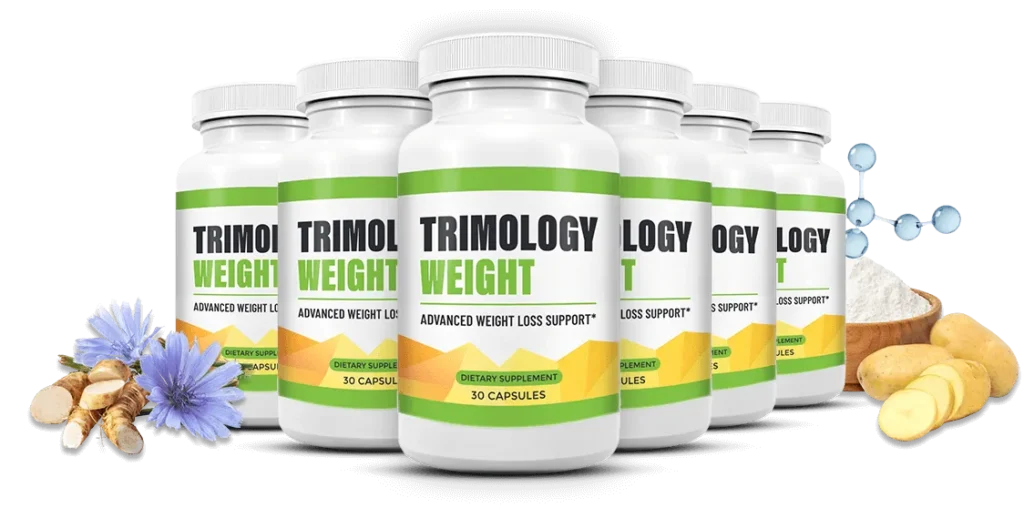
Trimology Review: Worth It or Waste of Money?

Trimology Review
Quick Answer: Trimology appears to be a general weight-management supplement rather than a medically targeted solution. The formula may support appetite control or energy depending on the ingredients, but buyers should carefully review transparency, stimulant content, safety considerations, and realistic expectations before purchasing.

Key Takeaways

  • Trimology appears to be positioned as a weight-management supplement, not a medical treatment.
  • Ingredient transparency matters most because hidden blends make it harder to judge dose quality.
  • Realistic results would likely be modest, such as appetite or energy support, not dramatic fat loss.
  • Adults over 45 should be cautious with stimulant-based formulas or medication interactions.
  • The strongest buying question is simple: does the formula justify the cost, risk, and expected benefit?

Most supplement buyers do not need more marketing. They need a cleaner way to judge what is actually in the bottle. This Trimology Review takes that approach – looking at ingredient logic, claim quality, safety considerations, and the kinds of results a realistic buyer should expect before spending money.

For adults 45 and older, that matters. Many people shopping for supplements are already dealing with fatigue, tingling, numbness, circulation concerns, weight changes, or general frustration with products that promise too much and explain too little. A useful review should separate broad wellness support from claims that go beyond the evidence.

What Is Trimology?

Trimology appears to be marketed as a body-composition or weight-management supplement rather than a targeted medical nutrition product. That distinction matters because weight-loss supplements often rely on familiar themes: metabolism support, appetite control, fat burning, energy, or detox language. Those categories can sound scientific without offering strong clinical proof for the finished product itself.

When reviewing a supplement like this, the first question is not whether the branding sounds convincing. It is whether the formula makes sense, whether the label is transparent, and whether the claims stay within what the ingredients could reasonably support.

A second question is even more practical: who is this product actually for? Some adults are looking for help with appetite habits or energy during dieting. Others may be dealing with symptoms that need medical attention, such as unexplained weight change, numbness, persistent fatigue, or digestive changes. A supplement should never become a substitute for evaluating those issues properly.

Trimology Review: What to Check First

Before judging benefits, start with the supplement facts panel. A credible product should clearly disclose each active ingredient and the amount provided per serving. If a formula hides key amounts inside a proprietary blend, it becomes much harder to tell whether the ingredients are included at meaningful levels.

That is especially important in the weight-management category, where formulas often combine caffeine, plant extracts, fiber-related compounds, and metabolism-oriented ingredients in doses that look impressive on the front label but may be modest in practice. A long ingredient list is not the same as a strong formula.

It also helps to look at the type of claims being made. There is a difference between saying a product may support a healthy weight-management plan and implying that it directly causes substantial fat loss. Evidence-informed language is usually more trustworthy than dramatic promises.

Ingredient Quality Matters More Than Branding

Trimology Ingredients

Weight-management supplements often combine stimulant compounds, metabolism-support ingredients, botanical extracts, and appetite-focused formulas. The effectiveness and tolerability of these ingredients may vary depending on dosage transparency, formulation quality, and individual sensitivity.

Ingredient Potential Role Editorial Note
Green Tea Extract Metabolism and antioxidant support May contain caffeine depending on the extract concentration.
Caffeine / Natural Stimulants Energy and appetite support May not be ideal for adults sensitive to stimulants or sleep disruption.
Chromium Craving and blood sugar support More meaningful when used alongside nutrition and lifestyle changes.
Apple Cider Vinegar Digestive and appetite-related support Frequently marketed in weight-loss formulas despite mixed evidence.
Botanical Blend General wellness and metabolism support Proprietary blends may reduce transparency if ingredient doses are hidden.

Without a transparent formula, no review can responsibly confirm effectiveness. But the general standards are straightforward. If Trimology contains stimulant-based ingredients such as caffeine, green tea extract, guarana, or similar compounds, buyers should expect the main effect to be increased alertness or temporary appetite suppression rather than a unique metabolic breakthrough.

If it includes fiber-like ingredients, glucomannan, chromium, berberine, apple cider vinegar, cayenne, or botanical extracts, each ingredient needs to be judged on its own evidence and dose. Some of these have limited supportive data in specific contexts. Others are heavily marketed despite mixed or underwhelming results.

This is where many supplement reviews go off course. They discuss ingredients as if any study on an ingredient automatically validates the finished product. That is not how supplement evidence works. An ingredient may show mild benefit in a controlled setting, but a commercial blend with lower doses or different combinations may not deliver the same outcome.

For adults over 45, there is another layer to consider: tolerability. Ingredients that seem acceptable for younger buyers can be less appealing if they raise heart rate, worsen reflux, trigger jitteriness, disturb sleep, or interact with medications.

How Strong Are the Claims?

The most credible supplement claims are modest. If Trimology is presented as supporting appetite control, energy, or healthy lifestyle goals, that is more believable than claims suggesting rapid body transformation. Real-world weight management usually depends far more on calorie intake, protein adequacy, activity level, sleep quality, medication effects, and underlying health factors than on a single capsule.

This does not mean every supplement in the category is useless. Some can be reasonable additions to a broader plan. But buyers should be cautious when a product leans on before-and-after imagery, vague clinical language, or promises that sound too certain. Supplements are often marketed around possibility, while consumers hear certainty.

That gap is where disappointment happens.

Pros

  • May support appetite control or energy when paired with healthy habits.
  • Fits buyers who prefer a weight-management support approach instead of extreme claims.
  • Can be evaluated more fairly if the label shows full ingredient doses.

Cons

  • Results are unlikely to be dramatic without diet, activity, and lifestyle changes.
  • Stimulant-based or herbal formulas may not be suitable for every adult over 45.

Safety Questions Adults 45+ Should Not Ignore

A medically cautious Trimology Review has to spend time on safety, because this is where many consumers make the most expensive mistake: assuming that over-the-counter means low risk.

Stimulant-heavy formulas may not be ideal for people with high blood pressure, arrhythmia concerns, anxiety, insomnia, or sensitivity to caffeine. Some ingredients may also affect blood sugar, digestion, or how certain medications are processed. If a product contains concentrated herbal extracts, the interaction profile may be less obvious than the marketing suggests.

Digestive side effects are common in this category. Nausea, cramping, loose stool, bloating, or reflux can occur even with widely sold ingredients. That does not automatically mean a product is unsafe, but it does mean the buyer should weigh the downside against the likely benefit.

Adults taking medications for blood pressure, blood sugar, thyroid conditions, mood disorders, or anticoagulation should be especially careful. Even when a supplement does not claim to treat disease, its ingredients can still have physiological effects that matter.

The NIH Office of Dietary Supplements explains that many weight-loss supplements have limited scientific evidence and may interact with medications or medical conditions in some individuals.

What Results Are Realistic?

Most legitimate supplements do not produce dramatic visible changes on their own. If Trimology helps at all, the most realistic benefit would likely be modest support for appetite control, energy, or adherence to a calorie-conscious routine. That is very different from the idea of melting away body fat.

A helpful way to think about it is this: does the product make healthy habits easier, or is it being sold as a replacement for them? The first framing is more realistic. The second is where consumers usually overpay.

If someone notices benefits from a supplement in this category, they often describe reduced snacking, slightly better portion control, or improved motivation due to stimulant effects. Those are not trivial outcomes, but they are also not unique proof that a product has a special mechanism.

For adults with unexplained fatigue, numbness, tingling, burning sensations, or balance changes, weight changes should not be viewed in isolation. Those symptoms deserve a broader health conversation rather than a supplement-only solution. This is one reason evidence-based editorial sites such as VitB12Supplement.com focus so heavily on symptom context and not just product claims.

Signs Trimology May Be Worth Considering

A product in this category becomes more reasonable when the label is fully transparent, the dosing is clearly disclosed, the claims are moderate, and the formula avoids unnecessary complexity. Third-party quality testing, clear manufacturing standards, and straightforward customer information also help.

It may be worth considering if the buyer understands the goal correctly: not as a cure-all, but as a possible support tool within a larger weight-management plan. Buyers who tolerate stimulants well and have already reviewed the formula for interactions may be more comfortable trying a product like this than someone with multiple medical conditions or high medication burden.

Price matters too. A supplement with ordinary ingredients and ordinary evidence should not command a premium based only on branding.

Red Flags to Watch in Any Trimology Review

Consumers should slow down if they notice hidden ingredient amounts, exaggerated time-based promises, language that sounds medical without giving real evidence, or testimonials used as if they are the same as clinical proof. A formula may also deserve skepticism if it combines many trendy ingredients in very small amounts, since that often creates label appeal more than measurable effect.

Another red flag is when a review spends all its time repeating marketing copy and almost none discussing side effects, limitations, or who should avoid the product. Balanced reviews acknowledge uncertainty. They do not assume that natural means harmless or that more ingredients means more value.

Is Trimology a Scam or Legit?

Based on the available marketing style and the types of ingredients commonly used in this category, Trimology does not automatically appear to be a scam. However, that does not mean buyers should assume the product will produce dramatic or guaranteed results.

A more realistic interpretation is that Trimology may function as a general weight-management support supplement rather than a breakthrough fat-loss solution. The most important factors remain formula transparency, reasonable claims, ingredient quality, and whether the product avoids exaggerated marketing tactics.

Consumers should still be cautious with any supplement that relies heavily on proprietary blends, unrealistic before-and-after promises, or language suggesting effortless body transformation. In the weight-loss industry, marketing often sounds stronger than the actual evidence behind the finished formula.

Editorial Bottom Line:

Trimology may be worth considering for adults looking for modest lifestyle support, but it should be approached with realistic expectations rather than viewed as a guaranteed or medically meaningful weight-loss solution.

Final Verdict on Trimology

Based on how products in this category are typically marketed, Trimology should be approached as a general weight-management supplement, not as a medically meaningful solution to complex health concerns. It may be worth a closer look if the label is transparent, the ingredient doses are sensible, and the claims remain realistic. It is less appealing if the formula relies on hype, hidden blends, or promises that imply major results without strong evidence.

For most adults 45+, the best buying question is not “Could this work somehow?” It is “Does this formula justify the cost and risk for the likely level of benefit?” That single question usually leads to a better decision than any bold promise on the bottle.

🔥 Check Official Website (Limited Stock)

Frequently Asked Questions

What is Trimology?

Trimology appears to be marketed as a weight-management supplement designed to support goals such as appetite control, energy, metabolism, or body-composition support. It should not be viewed as a medical treatment or a replacement for diet, exercise, or professional healthcare guidance.

Does Trimology really work for weight loss?

Trimology may offer modest support depending on its ingredient profile, dosage, and how it is used. However, no supplement should be expected to produce major fat loss on its own. Realistic results usually depend more on calorie intake, protein, activity, sleep, and consistency.

Is Trimology safe for adults over 45?

Adults over 45 should review the Supplement Facts label carefully, especially if the formula contains caffeine, green tea extract, herbal stimulants, or ingredients that may affect blood sugar, digestion, sleep, or medication use. People with medical conditions should speak with a healthcare professional before using weight-management supplements.

Does Trimology contain stimulants?

The presence of stimulants depends on the official Trimology label. Buyers should check for caffeine, green tea extract, guarana, bitter orange, or similar compounds. Stimulants may increase alertness but can also cause jitteriness, sleep disruption, or sensitivity in some users.

Is Trimology FDA approved?

Dietary supplements are not FDA-approved for weight loss before being sold in the same way prescription drugs are. Buyers should look for transparent labeling, responsible claims, quality standards, and consult a healthcare professional when needed.

Medical Disclaimer: The information provided in this article is for educational purposes only and is not intended as medical advice. Dietary supplements are not a replacement for professional medical diagnosis or treatment. Always consult with a qualified healthcare professional before starting any new supplement, especially if you have pre-existing medical conditions or are taking prescription medications. Individual results may vary.

Nail Refresh Review 2026: Scam or Legit?

Quick Answer

Nail Refresh appears to be positioned as a wellness-oriented nail support supplement designed to help brittle, weak, or splitting nails through nutrients commonly associated with keratin structure, tissue support, and overall nail health.

Like many beauty-focused supplements, realistic results are usually gradual rather than dramatic. The formula may offer supportive benefits for some adults, but nail quality can also be influenced by aging, nutrition, hydration, medications, and underlying health conditions.

Key Takeaways
  • Nail Refresh is best viewed as a supportive wellness supplement rather than a miracle beauty solution.
  • Biotin, zinc, collagen-support nutrients, and amino acids are common in nail-health formulas.
  • Visible nail improvement usually takes weeks or months because nails grow slowly.
  • Underlying causes such as nutrition, thyroid issues, or repeated moisture exposure may still matter more than supplements alone.
  • Adults over 45 should review overlapping nutrients and supplement interactions carefully.

Brittle, splitting, slow-growing nails are often treated like a cosmetic annoyance. For many adults over 45, though, they can be a clue that something more basic is going on – aging nail changes, repeated moisture exposure, low protein intake, iron issues, medication effects, or a nutrient gap. That is the real value of a careful Nail Refresh Review: not just asking whether a product sounds appealing, but whether its formula makes sense, what kind of results are realistic, and who should be cautious.

Most nail supplements are marketed with glossy before-and-after language. The problem is that nails grow slowly, and improvement is rarely dramatic overnight. A good review has to separate ingredients with at least some scientific rationale from those added mainly for label appeal. It also has to consider whether a supplement is likely to support healthier nail growth in a general wellness sense, without overstating what it can do.

Nail Refresh Review: What Matters Most

When evaluating a nail-focused supplement like Nail Refresh, the first question is simple: does the formula match what we know about nail biology? Nails are made primarily of keratin, a structural protein. Healthy growth depends on adequate protein intake, but also on micronutrients involved in cell turnover, collagen support, and tissue structure. That is why many nail products combine biotin, minerals such as zinc, and vitamins tied to normal skin and connective tissue health.

Still, the presence of familiar ingredients does not automatically make a product effective. Dosing matters. So does the reason your nails are weak in the first place. If brittle nails stem from repeated handwashing, harsh solvents, thyroid disease, anemia, psoriasis, or fungal changes, a supplement may offer limited benefit. On the other hand, if dietary intake is poor or mild nutrient insufficiency is contributing, a well-formulated product may be more reasonable to consider.

For readers used to reviewing vitamin and nerve-support products, this is a different category with a similar rule: the best results usually come when the formula addresses a plausible underlying gap rather than promising a transformation.

Ingredient Logic Behind Nail Supplements

Nail Refresh Ingredients

Ingredient Amount Intended Role
Biotin 5000 mcg Supports keratin-related nail structure and brittle nail wellness.
Zinc 10 mg Supports normal tissue repair and healthy cell growth.
MSM 250 mg Often used for connective tissue and beauty-support formulas.
Vitamin C 90 mg Supports normal collagen formation and tissue support.
Silica 50 mg Commonly included in hair, skin, and nail support formulas.

Most nail-health formulas rely on a small group of recurring ingredients. If Nail Refresh follows that pattern, these are the components worth reviewing closely.

Biotin is the ingredient consumers usually recognize first. It is involved in fat and carbohydrate metabolism and is often marketed for hair and nail support. Some small studies suggest biotin may help improve brittle nails in certain people, but the evidence is not strong enough to call it a guaranteed solution. It is also worth remembering that true biotin deficiency is uncommon. That means biotin may help some users, especially those with fragile nails, but it should not be viewed as universally necessary.

Zinc is another common inclusion. Zinc supports normal cell growth and tissue repair, and deficiency can affect skin and nails. If a formula includes zinc in a reasonable amount, that may add practical value, especially for older adults with limited dietary variety. The catch is that more is not always better. Higher zinc intake over time can interfere with copper balance, so chronic high-dose use deserves caution.

Vitamin C may appear because it supports normal collagen formation. Nails themselves are not made of collagen, but the tissues around the nail and overall connective structure still matter. Ingredients like silica, MSM, or amino acids are also common in beauty-oriented formulations. Their rationale is understandable, though the human evidence for visible nail improvement varies in quality.

If the product contains a broad vitamin blend, check whether it includes nutrients that overlap heavily with a multivitamin you already take. This matters more than many shoppers realize. Duplicate intake is one of the easiest ways to turn a simple wellness supplement into an unnecessary one.

Some research discussed by the Mayo Clinic suggests that brittle nails may sometimes be associated with aging, repeated moisture exposure, nutritional factors, or underlying health conditions.

What Results Are Realistic?

This is where many reviews become too promotional. Nail growth is slow. Fingernails often take several months to show clear change because new nail has to grow out from the matrix. Even if Nail Refresh contains sensible ingredients, visible improvement would typically be gradual, not immediate.

What users might reasonably notice first is less splitting, slightly firmer texture, or fewer peeling edges. Faster growth is often claimed, but growth speed can be inconsistent and is influenced by age, circulation, nutrition, season, and general health. If a supplement helps, the benefit is more likely to show up as improved nail quality than a dramatic increase in length.

It is also possible that some users notice no change. That does not always mean the formula is poor. It may mean the cause of nail weakness is unrelated to the nutrients provided. That is why realistic expectations matter so much in any Nail Refresh Review.

Nail Refresh Pros & Cons

Pros
  • May support brittle or weak nails in some adults.
  • Uses nutrient categories commonly associated with nail wellness.
  • Wellness-oriented approach instead of extreme beauty claims.
  • May fit adults looking for focused nail support.
  • Can complement practical nail-care habits.
Cons
  • Results are typically gradual rather than dramatic.
  • May offer limited benefit if nail problems stem from unrelated medical causes.
  • Biotin can interfere with some lab testing.
  • Overlapping nutrients may occur with multivitamins.
  • Some users may experience digestive discomfort or sensitivity.

Safety and Cautions for Adults 45+

For a generally healthy adult, many nail supplements are low-risk when used as directed, but low-risk does not mean risk-free. Adults over 45 are more likely to take prescription medications, use multiple supplements, or manage chronic conditions, so label review becomes more important.

Biotin deserves special mention. High-dose biotin can interfere with certain lab tests, including some thyroid and cardiac-related assays. This does not mean the ingredient is dangerous on its own, but it does mean users should tell their healthcare provider about biotin use before bloodwork.

Formulas that include iron should be approached carefully unless there is a clear reason for it. Iron can be helpful when deficiency exists, but unnecessary iron supplementation is not a casual decision. The same cautious approach applies to very high doses of zinc, selenium, or vitamin A. More nutrients do not always equal better nails.

If you have diabetes, thyroid disease, circulation problems, digestive disorders that affect absorption, or unexplained nail changes, a supplement should not replace medical evaluation. Thickened, discolored, ridged, painful, or separating nails may reflect something that needs diagnosis rather than a beauty product.

Nail Refresh Side Effects and Complaints

For many healthy adults, nail-health supplements are generally considered low-risk when used as directed. However, that does not automatically mean they are appropriate for everyone.

Some users may experience mild digestive upset, nausea, bloating, or sensitivity depending on the formula and overall supplement use. Products containing higher-dose biotin may also interfere with certain laboratory tests, including some thyroid and cardiac-related bloodwork.

Adults already taking multivitamins, collagen products, or beauty-support formulas should review overlapping nutrients carefully. Excessive intake of minerals such as zinc or selenium over time may create imbalance concerns if intake becomes unnecessarily high.

As with many wellness supplements, complaints may also involve unrealistic expectations, subscription confusion, or disappointment when cosmetic changes appear slower than expected. Nails grow gradually, which means visible improvement often takes several weeks or months rather than days.

Who Might Consider Nail Refresh?

A product like Nail Refresh may be most reasonable for adults with mild brittleness, peeling, or fragile nails who have already addressed obvious external triggers. Frequent exposure to water, detergents, nail polish removers, and repeated trauma can leave nails dry and weak. In that case, oral support may make more sense when paired with practical nail care.

It may also appeal to people with limited dietary intake, older adults eating less protein than they realize, or those looking for a more focused alternative to a broad beauty supplement. The key question is whether the formula is targeted enough to justify its cost.

Who may be less ideal candidates? Anyone expecting rapid cosmetic change, anyone already using several overlapping supplements, and anyone with nail symptoms that are new, severe, or clearly abnormal. In those cases, the better next step is usually a conversation with a clinician, not another bottle.

How to Judge Value Before You Buy

Price matters, but value is not just about the cost per bottle. It is about whether the ingredient profile is transparent, the doses are clearly listed, and the formula avoids hiding behind a proprietary blend. Consumers should also look for practical manufacturing details such as third-party testing or quality standards, especially in a crowded supplement category where branding often outpaces substance.

A useful way to evaluate Nail Refresh is to ask three questions. Does it contain ingredients with at least a plausible role in nail health? Are the dosages sensible rather than inflated for marketing? And would this formula add something meaningful beyond what you already get from diet or a multivitamin?

If the answer to those questions is yes, the product may be worth a trial period. If not, it may simply be a more expensive version of nutrients you already have.

The Bottom Line on This Nail Refresh Review

Based on how nail supplements generally work, Nail Refresh is best viewed as a supportive wellness product, not a fix for every nail problem. Its value depends heavily on the actual ingredients, their doses, and whether your nail concerns are tied to nutrition in the first place. That makes it a category where careful label reading matters more than bold marketing.

For adults 45+, the smartest approach is usually the least flashy one: review the formula, compare it with your current supplements, give it enough time if you decide to try it, and pay attention to whether your nails are telling you something broader about health, diet, or everyday habits.

Frequently Asked Questions

Does Nail Refresh really work?

Nail Refresh may help support brittle or weak nails in some adults, especially when nutrition-related factors are involved.

How long does Nail Refresh take to work?

Visible nail improvement usually takes several weeks or months because nails grow slowly over time.

Is Nail Refresh safe?

Many nail supplements are low-risk when used as directed, but adults with medications or chronic conditions should still review the label carefully.

Can biotin improve brittle nails?

Some evidence suggests biotin may help certain people with brittle nails, although results are not guaranteed for everyone.

Medical Disclaimer: The information provided in this article is for educational purposes only and is not intended as medical advice. Dietary supplements are not a replacement for professional medical diagnosis or treatment. Always consult with a qualified healthcare professional before starting any new supplement, especially if you have pre-existing medical conditions or are taking prescription medications. Individual results may vary.

Gelatine Sculpt Review 2026

Quick Answer

Gelatine Sculpt appears to be positioned as a wellness-oriented weight-management supplement designed to support appetite control, energy, metabolism, or body-composition goals. Like many products in this category, its potential value depends heavily on ingredient quality, dose transparency, safety profile, and realistic expectations.

Some ingredients commonly used in weight-management formulas may provide modest support for appetite, adherence, or exercise energy in certain individuals. However, supplements do not override sleep quality, nutrition, medication effects, physical activity, or long-term lifestyle habits.

Weight-loss supplements often promise fast body changes, but the real question is simpler: what is actually inside the bottle, and does it make physiological sense? In this Gelatine Sculpt Review, we look at the formula from a cautious, evidence-informed perspective so you can decide whether it deserves further consideration.

For adults over 45, that question matters even more. Metabolism changes with age, medication use becomes more common, and stimulant-heavy blends can feel very different than they did a decade earlier. A product may sound appealing on a sales page, but ingredient quality, dose transparency, safety, and realistic expectations matter far more than marketing language.

Key Takeaways
  • Gelatine Sculpt appears positioned as a body-support or weight-management supplement, not a medical treatment.
  • Ingredient transparency matters more than aggressive marketing language.
  • Weight-management supplements typically produce modest effects rather than dramatic body transformation.
  • Stimulant-heavy formulas may affect sleep, heart rate, or medication tolerance in sensitive adults.
  • The safest long-term approach usually combines nutrition, activity, sleep, and sustainable habits rather than relying on supplements alone.

What Gelatine Sculpt appears to be

Gelatine Sculpt is positioned as a body-composition or weight-management supplement. Products in this category usually aim to support appetite control, calorie burning, energy, blood sugar balance, or water-weight reduction. Some rely on caffeine and botanical stimulants. Others use fiber, minerals, amino acids, or plant extracts with modest evidence in metabolic health.

The first thing any careful buyer should ask is whether the label is fully transparent. A supplement is easier to evaluate when every active ingredient and its dose are clearly listed. If a product uses a proprietary blend without telling you how much of each ingredient is included, the review becomes less certain. An ingredient may have some evidence behind it, but if the dose is too low, the expected benefit may not be meaningful.

That does not automatically make a product poor quality. It does mean the confidence level should drop.

Gelatine Sculpt Review: what matters most

When reviewing a supplement like this, there are four useful filters: ingredient rationale, dosage, safety, and claims. Those factors usually tell you more than testimonials do.

Ingredient rationale asks whether the formula includes compounds that have at least some plausible role in weight management. A few ingredients commonly used in these products do have limited evidence for appetite support or thermogenesis, but most effects are modest. Supplements do not override energy balance, sleep quality, activity level, or medication-related weight changes.

Dosage is where many products fall short. Green tea extract, glucomannan, chromium, berberine, caffeine, cayenne, and L-carnitine are all examples of ingredients that can be discussed in the weight-management space, but each has a meaningful dose range and a specific safety profile. A label that includes many ingredients in tiny amounts may look impressive while doing very little.

Safety is especially relevant for readers managing blood pressure, diabetes, thyroid conditions, heart rhythm concerns, or sleep problems. Even natural ingredients can cause side effects or interact with medications. Stimulants may raise heart rate, worsen jitters, or disrupt sleep. Fiber-like ingredients may affect how medications are absorbed if taken too close together. Some plant extracts may also influence blood sugar or liver enzymes.

Claims should be the final checkpoint. If a product suggests dramatic fat loss without diet changes, selective fat reduction from one body area, or unusually fast transformation, skepticism is appropriate. The more extreme the promise, the stronger the evidence should be. In supplement marketing, that evidence is often weak or absent.

Ingredient quality and evidence

Ingredient Categories Commonly Used in Weight-Management Supplements

Ingredient Intended Role Evidence Quality
Green Tea Extract Thermogenesis / energy support Limited to moderate
Glucomannan Satiety / appetite support Moderate
L-Carnitine Fat metabolism support Mixed evidence
Chromium Blood sugar support Mixed evidence
Caffeine Alertness / workout energy Moderate
Fiber Blends Fullness support Moderate

Without a fully verified label and manufacturing documentation in front of you, the fairest scientific position is conditional rather than absolute. If Gelatine Sculpt contains common weight-support ingredients, the likely value depends on which category it falls into.

If it is primarily a stimulant formula, you may notice short-term effects such as increased alertness, slightly reduced appetite, or improved workout energy. That can help some people adhere to a calorie-controlled plan, but it is not the same as direct fat loss. Stimulant-heavy products also tend to produce diminishing returns over time, especially in regular caffeine users.

If it is built around fiber or satiety support, the mechanism is more practical. Feeling fuller may help reduce total calorie intake. This approach is often less dramatic but sometimes more sustainable, particularly for adults who do not tolerate stimulants well. The trade-off is that digestive bloating, fullness, or bowel changes may occur.

If the formula leans on minerals or blood-sugar support ingredients, the benefit may be most relevant for people whose eating patterns involve cravings, irregular meal timing, or high intake of refined carbohydrates. Even then, results are usually subtle. These ingredients may support healthier metabolic habits, but they should not be framed as a substitute for medical management.

One green flag would be a label that avoids excessive stimulant stacking and uses clinically familiar ingredients at recognizable doses. Another would be manufacturing transparency, such as third-party testing or clear quality-control language. A red flag would be a long ingredient list paired with vague amounts and aggressive body-sculpting claims.

Who might consider it, and who should be careful

A reasonable candidate for a product like Gelatine Sculpt is an adult who already understands that supplements are an adjunct, not the foundation. In practical terms, that means someone working on nutrition, physical activity, protein intake, and sleep, who wants an extra layer of support and has reviewed the label for safety.

Caution is more important if you are over 45 and take medications for blood pressure, blood sugar, mood, thyroid function, or heart conditions. The same applies if you are sensitive to caffeine, prone to insomnia, have a history of palpitations, or deal with digestive disorders. Weight-loss supplements are not automatically unsafe, but they are also not one-size-fits-all.

Pregnant or nursing adults, and anyone with a complex medical history, should not treat a marketing page as enough information. A pharmacist or clinician can often identify interaction concerns quickly, especially if the full Supplement Facts panel is available.

Realistic results from Gelatine Sculpt

The most evidence-based expectation is modest support, not a dramatic transformation. If the formula is reasonably designed and matches your tolerance, it may help with appetite, energy, adherence, or daily consistency. That can matter. Small improvements in routine can produce meaningful long-term outcomes.

But the likely effect size is still limited. If a person is sleeping poorly, eating erratically, sitting most of the day, or dealing with medication-related weight gain, a supplement alone is unlikely to produce visible body-composition change. That does not mean the product is useless. It means its role should be framed honestly.

This is where many reviews become too promotional. A more medically cautious interpretation is that the best-case use of a supplement like Gelatine Sculpt is to support behavior, not replace it. Readers tend to make better decisions when they understand that distinction.

Gelatine Sculpt Pros & Cons

Pros
  • Takes a more wellness-oriented approach instead of promising unrealistic “overnight” transformation.
  • May help support appetite awareness or routine consistency in some adults.
  • Potentially useful as a secondary tool alongside nutrition and activity habits.
  • Some ingredient categories commonly used in this niche have modest evidence for metabolic support.
  • May appeal to adults seeking a less aggressive alternative to stimulant-heavy formulas.
Cons
  • Results are likely to be modest rather than dramatic.
  • Formula transparency and exact ingredient dosing may still require closer evaluation.
  • Weight-management supplements do not replace sleep, diet, or physical activity.
  • Stimulant-containing formulas may affect sleep, heart rate, or medication tolerance.
  • Some users may experience bloating, digestive discomfort, or sensitivity to active ingredients.

Gelatine Sculpt Review: practical buying checklist

Before purchasing, look at the label as critically as you would any other health product. Check whether the full ingredient list and exact doses are visible. Confirm the serving size, stimulant content, and whether the company provides basic manufacturing information. If the claims sound too broad or too fast, slow down.

It also helps to ask a few practical questions. Does the formula match your health profile? Can you tolerate the active ingredients? Are you expecting help with appetite control, exercise energy, or general weight support? A supplement can only be judged against the job it is actually designed to do.

If you do try it, track objective measures rather than relying on day-to-day impressions. Waist measurement, body weight trends, appetite patterns, sleep quality, and side effects are more useful than hoping to feel an immediate difference. Give more weight to tolerability and consistency than to dramatic early claims.

Our editorial take

Based on how products in this category typically work, Gelatine Sculpt may be worth considering only if the label is transparent, the ingredients are sensibly dosed, and the claims remain realistic. That is a narrower endorsement than many commercial reviews offer, but it is the more responsible one.

For many adults, especially those over 45, the better question is not whether a supplement can force weight loss. It is whether it can support a safer, more sustainable routine without creating new problems such as poor sleep, elevated heart rate, digestive upset, or medication conflicts. If Gelatine Sculpt meets that standard, it may have a place as a secondary tool. If it relies mostly on hype, proprietary blends, and exaggerated body-sculpt language, it is easier to skip.

A careful supplement review should leave you more informed, not more pressured. If you are considering Gelatine Sculpt, let the label, the dose transparency, and your own health context guide the decision more than the promise on the front of the bottle.

Frequently Asked Questions

Does Gelatine Sculpt really work?

Gelatine Sculpt may offer modest support for appetite, energy, or consistency if the formula is well designed, but it should not be viewed as a guaranteed weight-loss solution.

How long does Gelatine Sculpt take to work?

Results vary. Some users may look for changes over several weeks, but visible body-composition changes usually depend more on nutrition, activity, sleep, and consistency than supplements alone.

Is Gelatine Sculpt safe?

Safety depends on the full ingredient list, dosage, stimulant content, medications, and personal health history. Adults with medical conditions should review the label with a healthcare professional.

Is Gelatine Sculpt FDA approved?

Dietary supplements like Gelatine Sculpt are not FDA approved in the same way as prescription medications. Brands are responsible for product quality, labeling, and manufacturing standards.

Are there any side effects?

Possible side effects may include digestive discomfort, bloating, nausea, jitters, sleep disruption, or ingredient sensitivity depending on the formula and individual tolerance.

Can Gelatine Sculpt replace diet and exercise?

No. Supplements should be viewed as secondary support. Sustainable weight management still depends primarily on nutrition, physical activity, sleep quality, and long-term habits.

Medical Disclaimer: The information provided in this article is for educational purposes only and is not intended as medical advice. Dietary supplements are not a replacement for professional medical diagnosis or treatment. Always consult with a qualified healthcare professional before starting any new supplement, especially if you have pre-existing medical conditions or are taking prescription medications. Individual results may vary.

AlphaFuel Pro Review 2026: Side Effects & Verdict

Quick Answer

AlphaFuel Pro is marketed as a performance and vitality support supplement designed for energy, stamina, focus, and workout-related support. Its formula appears to rely on common categories such as stimulants, amino acids, botanical extracts, and metabolic support ingredients.

While some ingredients commonly used in performance supplements may support alertness or exercise motivation, the overall effectiveness of a formula depends heavily on dose transparency, stimulant balance, sleep quality, nutrition, physical activity, and realistic expectations.

Most supplement labels sound convincing until you slow down and ask a harder question: what, exactly, is in the bottle, and does any of it have meaningful evidence behind it? In this AlphaFuel Pro Review, that is the standard we are using. Rather than repeating marketing claims, this review looks at the formula through a consumer health lens – ingredients, likely purpose, safety questions, and whether the product appears reasonably aligned with what adults actually want from a performance or wellness supplement.

Because supplement formulas can change, the most important first step is always to verify the current Supplement Facts panel on the product label before buying. A review is only as useful as the label it reflects. If the bottle you are considering has a different ingredient list, dosage, or warning statement, your decision should be based on the label in front of you, not a past description.

Key Takeaways
  • AlphaFuel Pro appears to focus on stimulants, amino acids, and botanical extracts associated with energy and workout support.
  • The effectiveness of performance supplements depends heavily on ingredient dosage, formula transparency, sleep quality, nutrition, and exercise habits.
  • Caffeine and stimulant-like compounds may increase alertness, but they can also affect sleep, heart rate, anxiety, and blood pressure in sensitive adults.
  • A recognizable ingredient list does not automatically mean the formula is properly dosed or supported by strong long-term evidence.
  • Adults over 45 and people taking medications should review the Supplement Facts panel carefully before using performance-oriented supplements.

What AlphaFuel Pro appears to be designed for

AlphaFuel Pro is positioned like a performance-oriented supplement, likely aimed at energy, stamina, focus, workout support, or some combination of those goals. Products in this category often combine stimulants, amino acids, plant extracts, vitamins, and compounds marketed for blood flow or endurance.

That broad positioning matters because many products try to do too much at once. A formula that promises energy, muscle support, mental sharpness, hormonal balance, and fat burning in one serving may look impressive on the front label, but mixed goals often produce underdosed ingredients or a heavy reliance on stimulants. For adults over 45, that trade-off deserves extra attention. More ingredients do not automatically mean better results.

A good review should separate likely short-term effects from evidence-backed long-term benefits. For example, feeling more alert after taking a supplement is not the same as meaningfully supporting overall health or physical performance over time.

AlphaFuel Pro Review: how to judge the formula

If you are evaluating AlphaFuel Pro, start with the ingredient categories rather than the branding. Most formulas of this type fall into a few common buckets.

Stimulants are usually the first thing to check. Caffeine is the most common, sometimes paired with green tea extract, guarana, or other stimulant compounds. Moderate caffeine can improve alertness and perceived energy in many adults. The downside is that it may also increase jitters, palpitations, anxiety, reflux, or sleep disruption, especially in people who are more sensitive or who already drink coffee. For adults with blood pressure concerns, heart rhythm issues, or poor sleep, the stimulant load may matter more than the product name.

Amino acids and performance compounds are another common category. Ingredients such as L-citrulline, beta-alanine, taurine, creatine, or L-arginine are often used in exercise-related supplements. Some of these have plausible benefits in the right dose. Citrulline, for example, is often included for exercise performance and blood flow support, while creatine has a stronger evidence base for strength and muscle performance than many trendier ingredients. The key issue is dose. A clinically relevant ingredient at a token amount is more decoration than substance.

Botanical extracts are where consumers need to be careful. Rhodiola, ginseng, ashwagandha, maca, fenugreek, or yohimbine may appear in products marketed for energy, performance, or vitality. Some herbs have limited but interesting data for stress response or subjective energy. Others are heavily marketed on thin evidence. Standardization also matters. A label that names a plant but does not clarify the extract strength or active compounds tells you less than it should.

Vitamins and minerals can make a label look comprehensive, but they do not always add much value if the formula is not designed around a clear deficiency-related need. B vitamins are commonly included because they are associated with energy metabolism, yet they only correct low intake or deficiency – they do not act like a stimulant in a person who already gets enough. This is an area where supplement marketing can oversimplify physiology.

What makes a supplement formula stronger or weaker

A stronger formula is not just one with recognizable ingredients. It is one with transparent dosing, ingredients that fit the product’s intended use, and safety information that respects the user.

Transparency is one of the biggest signals of quality. If AlphaFuel Pro uses a proprietary blend without listing exact ingredient amounts, it becomes much harder to judge whether the formula is serious or mostly label dressing. Proprietary blends are not automatically bad, but they limit informed decision-making. If a product highlights five or six performance ingredients but hides the dosages, consumers are left guessing.

The second marker is dose realism. Many ingredients have research behind them only within a certain dose range. If the total blend is too small, or if there are too many ingredients packed into one scoop or capsule, the math often stops working. This is a frequent problem in supplements that promise multiple benefits at once.

The third marker is whether the formula appears built around evidence or excitement. Ingredients chosen because they are popular on social media are not the same as ingredients selected because they have consistent human data. This does not mean every supplement needs pharmaceutical-level evidence, but it should at least make physiological sense.

The NIH Office of Dietary Supplements notes that ingredient effectiveness often depends on dosage quality, formulation, and overall dietary context rather than marketing claims alone.

Safety questions adults 45+ should ask

For younger healthy users, a high-stim pre-workout may simply be unpleasant. For adults over 45, the safety conversation is often more important. That is especially true if you take medication, have cardiovascular risk factors, deal with anxiety or insomnia, or have a history of digestive sensitivity.

If AlphaFuel Pro contains significant caffeine or stimulant-like botanicals, ask whether it could interact with your daily routine. Timing matters. A supplement taken in the afternoon may affect sleep quality long after the “energy” feeling fades. Poor sleep can easily cancel out any daytime benefit.

Blood pressure and heart rate effects are another concern. Even legal, common stimulant ingredients can raise pulse or create a sense of overstimulation. Anyone with a history of hypertension, atrial fibrillation, palpitations, or chest discomfort should be cautious and discuss new stimulant products with a clinician or pharmacist.

Blood sugar effects may also matter if the formula includes adaptogens or metabolism-focused compounds. That does not make the product unsafe, but it does make supervision more sensible for people already managing glucose issues.

And then there is the basic but often overlooked issue of tolerability. Sweeteners, niacin, concentrated herbal extracts, and certain amino acids can cause flushing, nausea, bloating, or headaches in some users. A supplement does not need to be dangerous to be a poor fit.

Is AlphaFuel Pro likely to work?

That depends on what you mean by “work.” If the formula contains caffeine and similar ingredients, many people will notice a short-term lift in alertness or workout motivation. That is the easiest effect for products in this category to deliver.

If the claims go beyond that – better strength, endurance, body composition, focus, vitality, or recovery – the answer becomes more conditional. Some ingredients may support those outcomes, but usually only in proper doses, with consistent use, and alongside sleep, diet, hydration, and physical activity. Supplements rarely carry the full load by themselves.

This is where realistic expectations matter. A well-built formula may help support performance or subjective energy. It is unlikely to transform health, erase fatigue caused by poor sleep, or compensate for a sedentary routine. If a product implies otherwise, the marketing is probably doing more work than the ingredients.

Value for money and label honesty

Value is not just the price per bottle. It is the price relative to what you can reasonably expect from the formula. If AlphaFuel Pro is expensive but relies mostly on caffeine, flavoring, and a scattering of trendy ingredients, the value may be mediocre. If it discloses meaningful doses of well-chosen compounds, the cost may be easier to justify.

A fair label should also include basic caution statements, allergen information, serving guidance, and a clear amount of active ingredients. Third-party testing or manufacturing quality statements can add confidence, although they should not replace a hard look at the formula itself.

Consumers should also be careful with reviews that focus only on dramatic testimonials. Personal anecdotes can be sincere, but they are not the same as evidence. A product can earn positive feedback because it tastes good, contains stimulants, or creates a noticeable sensation. None of those automatically prove broader effectiveness.

Who AlphaFuel Pro may suit – and who should pass

AlphaFuel Pro may suit adults who want a general performance or energy supplement, tolerate stimulants well, and have reviewed the label closely enough to understand what they are getting. It may be more appealing if the formula is transparent, the dosing is sensible, and the intended use is narrow rather than overly ambitious.

It may be a poor fit for adults who are stimulant-sensitive, already struggling with sleep, taking multiple medications, or expecting the product to address complex fatigue or health concerns on its own. It is also not a substitute for medical evaluation if low energy, weakness, exercise intolerance, or concentration problems are new, worsening, or unexplained.

For readers who are used to evidence-informed supplement reviews, the bottom line is simple: AlphaFuel Pro should be judged less by bold branding and more by dosage transparency, stimulant burden, and whether the ingredient list matches its claims. If the label is clear and the formula is appropriately built, it may have a place for some users. If the ingredient amounts are hidden or the promises exceed what the formula can plausibly deliver, caution is the smarter move.

The best buying decision usually comes from a boring habit that saves money and disappointment – read the label slowly, compare the dosages to the claims, and make sure the product fits your health profile before you put it in your cart.

FAQ

Does AlphaFuel Pro really work? AlphaFuel Pro may help support alertness and workout motivation, primarily if the formula contains stimulants like caffeine. However, broader results like improved strength or endurance depend on ingredient dosages, consistent use, and lifestyle factors like diet and sleep.

What is AlphaFuel Pro used for? It is positioned as a performance and vitality supplement, likely designed to support energy, stamina, focus, and workout recovery through a blend of stimulants, amino acids, and botanical extracts.

Is AlphaFuel Pro safe for adults over 45? Adults over 45 should be cautious, especially regarding stimulant content which can affect blood pressure, heart rate, and sleep. It is essential to review the label for medication interactions and consult a healthcare professional before use.

Does AlphaFuel Pro have side effects? Possible side effects may include jitters, increased heart rate, digestive upset, or sleep disruption, particularly due to stimulants or specific herbal extracts. Individual tolerance varies based on sensitivity.

Is AlphaFuel Pro a scam? AlphaFuel Pro appears to be a standard performance supplement, but consumers should judge it by its label transparency. If a product hides ingredient dosages behind proprietary blends, it is harder to verify its true value and effectiveness.

Should I consult a doctor before taking AlphaFuel Pro? Yes. If you have pre-existing conditions, take blood pressure or heart medication, or suffer from insomnia, a medical evaluation is recommended before starting any new performance supplement.


Medical Disclaimer: The information provided in this article is for educational purposes only and is not intended as medical advice. Dietary supplements are not a replacement for professional medical diagnosis or treatment. Always consult with a qualified healthcare professional before starting any new supplement, especially if you have pre-existing medical conditions or are taking prescription medications. Individual results may vary.

JointGen Review 2026: Scam or Legit? My Honest Analysis

Quick Answer

JointGen is a joint support supplement marketed for mobility, flexibility, and age-related joint comfort. Its formula appears to focus on ingredients commonly associated with cartilage support, inflammation balance, and connective tissue health.

While some ingredients used in joint supplements have plausible biological relevance, evidence remains mixed, and results can vary depending on the underlying cause of joint discomfort, activity level, consistency, and overall health.

Jointgen Review starts with a simple question: does this supplement contain ingredients that make sense for real-world joint support, or is it mostly marketing wrapped around familiar pain points? For adults dealing with stiffness, occasional knee discomfort, or age-related wear and tear, that distinction matters. A product does not need flashy claims to be useful, but it does need a formula that holds up under basic scientific scrutiny.

This review looks at Jointgen from the perspective of an evidence-minded consumer. That means focusing on what is in the formula, whether those ingredients have plausible benefits, what the limits are, and what kind of expectations are reasonable

before spending money.

Key Takeaways
  • JointGen is marketed for mobility and joint comfort support.
  • Some ingredients commonly used in joint formulas have research behind them, but evidence is mixed.
  • Joint supplements usually work gradually rather than immediately.
  • Ingredient transparency and dosage clarity matter more than marketing claims.
  • People with severe pain, swelling, or joint instability should seek medical evaluation.

What Jointgen appears to be designed for

Jointgen is positioned as a joint support supplement for people who want help with mobility, comfort, and day-to-day stiffness. That usually places it in the same broad category as products built around cartilage support, inflammation-related comfort, connective tissue nutrition, or a blend of all three.

For many adults over 45, the appeal is obvious. Joint discomfort often builds gradually. It may show up when getting out of bed, walking stairs, standing after sitting too long, or returning to exercise after time off. In that context, a supplement can sound appealing because it feels less drastic than prescription medication and easier to try alongside lifestyle changes.

Still, the main question is not whether the problem is real. It is whether Jointgen uses ingredients and doses that are reasonably aligned with the benefit it suggests.

Jointgen Review of the ingredient strategy

JointGen Ingredients Breakdown

Ingredient Intended Role Evidence Quality
Glucosamine Associated with cartilage and joint support Mixed evidence with modest potential benefit in some users
Chondroitin Often paired with glucosamine for joint comfort Research findings remain inconsistent
MSM May support mobility and mild joint discomfort Some supportive evidence for comfort and function
Curcumin Associated with healthy inflammatory response support More promising when standardized and well absorbed
Boswellia Promoted for mobility and joint comfort Some evidence suggests potential supportive benefit
Collagen Associated with connective tissue support May help some users when used consistently

The quality of any joint supplement depends less on the label promises and more on the formula design. In this category, the most common ingredients usually include glucosamine, chondroitin, methylsulfonylmethane or MSM, turmeric or curcumin, boswellia, collagen, hyaluronic acid, and certain vitamins or minerals.

If Jointgen includes glucosamine and chondroitin, that is a familiar foundation. These ingredients have been studied for joint comfort and cartilage-related support, especially in people with osteoarthritis-type symptoms. The evidence is mixed rather than definitive. Some studies suggest modest benefit over time, while others show little difference from placebo. That does not make them useless, but it does mean they tend to work, if at all, gradually and unevenly.

If MSM is part of the formula, that may strengthen the product somewhat from a comfort standpoint. MSM has some evidence for helping reduce mild joint pain and improve function in certain users. Again, this is not a dramatic effect, and it usually requires consistent use for several weeks.

Turmeric or standardized curcumin can be a more interesting inclusion if the dose and form are meaningful. Curcumin has research behind it for supporting a healthy inflammatory response, which may matter when stiffness and activity-related discomfort are part of the picture. The catch is absorption. A weakly absorbed turmeric powder may look good on a label but contribute less than a better-formulated extract.

Boswellia is another ingredient worth attention. In some studies, it has shown potential for supporting joint comfort and mobility. When paired with curcumin, it may make more sense than relying on either one alone. That said, a proprietary blend with no clear dose makes it hard to know whether the formula is serious or simply decorative.

Collagen, especially type II collagen, can also be relevant in joint formulas. Some evidence suggests it may support joint comfort and function in certain people, particularly when used consistently. But the source, type, and dose matter. A vague mention of collagen is less helpful than a clearly identified ingredient with a stated amount.

Are the claims realistic?

This is where many supplements lose credibility. Joint support is a legitimate wellness category, but exaggerated promises create the wrong expectations. A reasonable claim would be that Jointgen may help support joint comfort, flexibility, or mobility as part of a broader routine. An unreasonable claim would suggest rapid relief, cartilage regrowth, or results that sound comparable to medical treatment.

Most evidence-backed joint ingredients work slowly, and the effects are often modest. That may still be valuable if the goal is to feel somewhat less stiff, move more comfortably, or support daily activity. But shoppers should be cautious if the marketing suggests a near-immediate transformation.

This is especially important for readers with persistent swelling, severe pain, joint locking, redness, or pain after injury. Those situations deserve medical evaluation rather than self-treatment with a supplement.

What matters most in a Jointgen review

A useful Jointgen review should go beyond ingredient name recognition. Three factors matter more than most consumers realize: dosing transparency, standardization, and time horizon.

Dosing transparency means the label tells you how much of each active ingredient you are getting. If Jointgen relies heavily on a proprietary blend, it becomes harder to evaluate. A formula can include many promising ingredients and still be underdosed.

Standardization matters most for plant extracts. With curcumin or boswellia, for example, the active compounds should be identified in a way that reflects actual potency. Without that, one turmeric ingredient may not be comparable to another.

Time horizon matters because joint supplements rarely show their best-case effects in a few days. In many cases, consumers need four to twelve weeks of consistent use before judging whether a product is helping. That does not guarantee success, but it does affect how the product should be evaluated.

Potential advantages of Jointgen

If Jointgen uses a multi-ingredient formula with transparent dosing, it may appeal to consumers who want broader support rather than a single-ingredient product. That kind of design can make sense because joint discomfort is not always about one mechanism. Cartilage wear, mechanical stress, low-grade inflammation, activity level, body weight, and muscle weakness can all contribute.

A thoughtfully built formula may also be more practical for adults who do not want to manage several separate supplements. Convenience has value, especially if the ingredients are combined in useful amounts.

Another possible advantage is if Jointgen avoids overstimulation and focuses on tolerability. Many adults over 45 are already taking multiple medications or supplements, so a cleaner formula with fewer unnecessary extras may be preferable.

JointGen Pros vs Cons

Pros Cons
Includes ingredients commonly associated with joint support Evidence remains mixed across the category
May support mobility and flexibility gradually Results are unlikely to be immediate
Could be more convenient than buying multiple supplements separately Some formulas may rely on proprietary blends
Appeals to adults seeking nonprescription joint support May not address severe or structural joint problems

Possible drawbacks and limitations

The main limitation of Jointgen is the same one seen across the category: even a decent joint supplement may offer only modest benefits. If a person expects complete pain relief or a major structural change in an arthritic joint, disappointment is likely.

There is also the issue of ingredient fit. Not every person with joint discomfort responds to the same approach. Someone with exercise-related soreness may respond differently than someone with long-standing knee osteoarthritis or morning stiffness related to age and inactivity.

Cost is another practical concern. Joint supplements often need consistent daily use, so monthly price matters more than introductory pricing. A product that seems affordable for one bottle may become less attractive if long-term use is needed.

Finally, side effects and interactions should not be ignored. Glucosamine may be a concern for people with shellfish sensitivities, depending on the source. Turmeric, boswellia, and similar botanicals may not be ideal for everyone, especially those using blood thinners or managing digestive sensitivity. That is one reason an evidence-informed site such as vitb12supplement.com should always frame supplements as a conversation starter, not a substitute for individualized guidance.

JointGen Side Effects and Complaints

Safety Review

JointGen is marketed as a wellness-focused joint support supplement, but “natural” ingredients do not automatically guarantee that a formula will be appropriate for every individual.

The likelihood of side effects can depend on the specific ingredients, dosages, medication use, digestive sensitivity, allergies, and underlying health conditions.

Possible Side Effects

  • Mild digestive discomfort or bloating
  • Ingredient sensitivity depending on the formula
  • Possible shellfish concerns if glucosamine is shellfish-derived
  • Interaction concerns with blood thinners or anti-inflammatory medications
  • Stomach irritation in sensitive individuals using turmeric or botanicals
  • Potential nausea or mild headache in some users

Common Complaints Consumers Should Watch For

  • Results may be slower or more modest than expected
  • Some users may not notice meaningful mobility improvements
  • Ingredient amounts may not always be fully transparent
  • Marketing language can sound stronger than the evidence itself
  • Long-term cost may become a concern with continued daily use

People with severe swelling, redness, sudden joint pain, joint instability, recent injury, or major mobility decline should seek professional medical evaluation rather than relying on supplements alone.

Who might consider Jointgen

Jointgen may be a reasonable option for adults with mild to moderate joint stiffness, occasional activity-related discomfort, or early mobility concerns who want to try a nonprescription support formula with realistic expectations. It is likely a better fit for consumers who are patient, willing to read the label carefully, and open to judging results over several weeks rather than a few days.

It may be less suitable for people with severe joint pain, unexplained symptoms, inflammatory arthritis, recent injury, or major functional decline. In those cases, the right next step is not a stronger supplement pitch. It is a proper clinical assessment.

How to evaluate Jointgen before buying

Before purchasing, look closely at the Supplement Facts panel. Check whether the formula discloses exact ingredient amounts, whether the main ingredients are recognizable and relevant, and whether the serving size is realistic. A formula that looks impressive only because it lists many ingredients is not automatically better.

Also consider the product in context. If body weight, muscle weakness, sedentary habits, poor footwear, or repetitive strain are driving the problem, a supplement alone may not move the needle much. Joint support products work best when expectations are tied to a broader strategy that may include strength training, physical therapy, mobility work, sleep improvement, and weight management where appropriate.

That does not reduce the value of a supplement. It simply puts it in the right place. Jointgen should be viewed as a potential support tool, not the whole plan.

Final assessment

Based on the way products in this category are typically formulated, Jointgen could be worth considering if its label shows transparent dosing, relevant evidence-backed ingredients, and claims that stay within reason. The stronger the formula is on curcumin, boswellia, MSM, glucosamine, chondroitin, or collagen in meaningful amounts, the easier it is to justify a trial. The weaker it is on dose transparency, the more cautious a buyer should be.

For most adults, the best standard is not whether a supplement sounds impressive. It is whether the formula is credible, tolerable, and worth trying for eight to twelve weeks while tracking comfort and mobility honestly. If Jointgen meets that standard, it may deserve consideration. If not, the label has already told you what you need to know.

Frequently Asked Questions

Does JointGen really work?

JointGen may help support mobility and joint comfort for some users, but results can vary depending on age, activity level, body weight, joint condition, and consistency of use.

How long does JointGen take to work?

Most joint supplements require several weeks of consistent use before noticeable changes may occur. Some users evaluate results over four to twelve weeks.

Is JointGen safe?

JointGen may be appropriate for many adults, but people taking medications, especially blood thinners, or those with medical conditions should review the formula carefully before use.

Is JointGen FDA approved?

Dietary supplements are not FDA approved in the same way as prescription medications. However, reputable manufacturers should follow Good Manufacturing Practices (GMP).

Are there side effects?

Possible side effects may include digestive discomfort, ingredient sensitivity, or interaction concerns depending on the formula and medical history.

Can supplements really support joints?

Some ingredients used in joint formulas have supportive evidence, especially for mild mobility or stiffness concerns, but no supplement should be viewed as a guaranteed solution.

Medical Disclaimer: The information provided in this article is for educational purposes only and is not intended as medical advice. Dietary supplements are not a replacement for professional medical diagnosis or treatment. Always consult with a qualified healthcare professional before starting any new supplement, especially if you have pre-existing medical conditions or are taking prescription medications. Individual results may vary.

Tinnitrol Review 2026: Scam or Legit?

Tinnitrol review supplement bottles for tinnitus relief, auditory support, and hearing wellness
Quick Answer

Tinnitrol is a hearing-support supplement marketed for tinnitus and auditory wellness. Its formula is positioned around ingredients commonly associated with circulation, nervous system function, and antioxidant support.

While some ingredients may have biological relevance to ear and nerve health, evidence for tinnitus supplements remains mixed, and results can vary significantly.

If you are searching for an honest Tinnitrol review, you are probably dealing with a frustrating problem: persistent ringing, buzzing, hissing, or pressure sensations that make quiet rooms feel anything but quiet. That frustration also makes people vulnerable to bold supplement marketing. The right question is not whether a product sounds convincing. It is whether the formula, claims, safety profile, and overall evidence hold up under careful review.

Tinnitrol is marketed as a dietary supplement for tinnitus-related support, typically with promises around ear health, auditory comfort, inflammation balance, circulation, and nervous system support. Those themes are common in this category. The challenge is that tinnitus is not one single condition with one single cause. It can be linked to age-related hearing changes, noise exposure, medication effects, wax buildup, jaw issues, blood vessel changes, stress, sleep disruption, and other factors. That means no supplement should be treated as a simple fix.

Key Takeaways
  • Tinnitrol is marketed for tinnitus and auditory wellness support.
  • It should be viewed as supportive, not as a proven tinnitus cure.
  • Ingredient transparency and dosage clarity matter more than marketing claims.
  • Tinnitus can have many causes, including hearing loss, stress, circulation issues, or medication effects.
  • Adults taking medications should review the formula with a healthcare professional.

Tinnitrol Review 2026: Scam or Legit? The short answer

Tinnitrol Scam vs Legit Signals

Trust Signals Red Flags to Watch
Clear Supplement Facts panel Miracle-style promises or guaranteed tinnitus relief
Transparent serving size and ingredient amounts Hidden proprietary blends with unclear dosages
Realistic wellness-focused claims Overly emotional or fear-based sales language
Visible refund and purchase details Hard-to-find cancellation or refund information

Based on the way products like Tinnitrol are usually positioned, the most reasonable answer is neither extreme. It does not automatically look like a scam simply because it is a supplement. But it should not be assumed to be a proven solution either. A legitimate supplement can still be weakly supported, overpriced, or marketed with more certainty than the science allows.

What matters most is whether Tinnitrol clearly discloses its ingredient panel, uses plausible dosages, avoids miracle-style claims, and is sold with transparent manufacturing and refund policies. If any of those pieces are vague or hidden, caution is warranted. For adults over 45, especially those taking medications or managing vascular, neurological, or hearing-related concerns, that caution matters even more.

What a careful review should examine

With a product in this category, the ingredient list is the first place to look. Many tinnitus-focused supplements rely on blends of vitamins, minerals, plant extracts, and antioxidants. Common examples across the market include vitamin B12, zinc, magnesium, ginkgo biloba, garlic, or ingredients promoted for circulation or nerve support.

That sounds sensible on the surface, but the science is mixed. A nutrient may help if a person is actually deficient, yet do very little if levels are already adequate. For example, vitamin B12 has important roles in nerve function, but that does not mean every person with ringing ears will benefit from extra B12. The same logic applies to zinc and magnesium. They are biologically relevant, but relevance is not the same thing as proven symptom improvement.

Plant extracts bring another layer of uncertainty. Ginkgo biloba is frequently discussed for circulation and cognitive support, and it has been studied in tinnitus, but findings have been inconsistent. Some people report benefit, while overall evidence does not support strong, universal expectations. If Tinnitrol uses this type of ingredient, that does not make it useless. It simply means the formula should be viewed as speculative support rather than established therapy.

The second issue is dosing. Some brands include recognizable ingredients at levels too low to reasonably expect much effect. Others hide amounts inside proprietary blends, which makes evaluation difficult. When a label highlights science-backed ingredients but conceals the actual quantities, consumers cannot judge whether the formula is thoughtfully built or mostly marketing.

Are the claims realistic?

This is where many tinnitus supplements lose credibility. Reasonable language would say a product may support auditory wellness, stress resilience, micronutrient status, or vascular health in some users. Unreasonable language would imply that it can stop ringing quickly, repair hearing damage, or work for nearly everyone.

Tinnitus symptoms often fluctuate. Stress, fatigue, caffeine, alcohol, sinus pressure, and sleep quality can all influence perceived intensity. Because symptoms naturally change, it is easy for testimonials to sound dramatic even when the underlying cause remains unresolved. That is why personal stories should never carry more weight than ingredient transparency and realistic claim language.

If Tinnitrol relies heavily on emotional marketing, before-and-after style promises, or language suggesting a hidden root cause that only this formula can address, that is a red flag. Credible health products do not need to oversell.

Ingredient logic versus clinical proof

One of the most common mistakes consumers make is confusing ingredient logic with product proof. A formula may contain nutrients associated with nerve health, circulation, and antioxidant defense. That creates a plausible story. But unless the finished product itself has been clinically tested, there is still a gap between theory and outcome.

This distinction matters. A supplement can be legitimate in the sense that it contains real ingredients and is manufactured properly, while still lacking direct evidence that it meaningfully reduces tinnitus severity. For that reason, Tinnitrol should be judged as a supportive wellness product, not as a medically validated answer to chronic ear ringing.

For older adults, this is especially important because tinnitus may overlap with hearing loss, medication side effects, blood pressure changes, temporomandibular joint problems, or age-related auditory changes. A supplement cannot sort through those possibilities for you.

The National Institute on Deafness and Other Communication Disorders (NIDCD) explains that tinnitus can have multiple causes and may require medical evaluation rather than relying on one single approach.

Tinnitrol Ingredients Breakdown

Ingredient Intended Role Evidence Quality
Vitamin B12 Associated with nerve function and neurological support May help if deficiency is present, but not universally proven for tinnitus
Magnesium Often linked to nervous system and muscle function Some biological relevance, but evidence remains mixed
Zinc Supports immune and cellular function May matter more in individuals with low zinc status
Ginkgo Biloba Frequently promoted for circulation and cognitive support Studied in tinnitus, but findings have been inconsistent
Antioxidant Compounds Marketed for oxidative stress support Theoretical relevance, but limited direct tinnitus evidence

Safety and interaction concerns adults 45+ should consider

Even when a formula looks natural, natural does not automatically mean low risk. If Tinnitrol contains ginkgo, garlic, or similar extracts, people taking blood thinners, aspirin, or certain heart medications should be cautious. If it contains significant levels of zinc or other minerals, long-term overuse may create imbalances. If it includes stimulating compounds, they may worsen sleep or nervousness in sensitive users.

This is one reason medically cautious readers should avoid impulse purchases based only on reviews with star ratings. The safer approach is to read the label carefully and compare it against your medication list, medical history, and recent lab work if available. A clinician or pharmacist can help identify obvious issues.

Another practical point is symptom timing. Sudden tinnitus, one-sided tinnitus, pulsatile sounds that follow your heartbeat, dizziness, hearing loss, ear pain, or neurological symptoms deserve medical attention rather than supplement-first self-treatment. Those patterns can signal problems that should not be brushed aside.

Tinnitrol Side Effects and Complaints

Safety Review

Tinnitrol is marketed as a natural hearing-support supplement, but “natural” does not automatically mean risk-free. Side effects can depend on the full formula, dosage, medical history, and medications a person may already be taking.

Possible Side Effects

  • Mild digestive discomfort in sensitive users
  • Headache or nausea depending on ingredient tolerance
  • Sleep changes if the formula contains stimulating compounds
  • Possible interaction concerns with blood thinners or heart medications
  • Mineral imbalance risk if high doses of zinc or similar nutrients are used long term

Common Complaints to Watch For

  • Results may be slower or weaker than expected
  • Some users may not notice meaningful tinnitus improvement
  • Marketing claims may sound stronger than the available evidence
  • Refund or billing details should be reviewed before purchasing
  • The full Supplement Facts panel should be checked before ordering

Seek medical care promptly for sudden hearing loss, one-sided tinnitus, dizziness, ear pain, pulsatile sounds, or neurological symptoms. These should not be handled with supplements alone.

Is Tinnitrol a scam?

A true scam usually involves deceptive billing, missing ingredient details, fake endorsements, impossible claims, or products that are difficult to cancel or return. Without those features, a supplement may be better described as unproven or overmarketed rather than fraudulent.

So is Tinnitrol a scam? Probably not in the strictest sense if it is a real supplement with a disclosed label and standard e-commerce practices. But if the sales page leans on miracle language, vague proprietary claims, or inflated expectations, then the concern shifts from fraud to credibility. That is still an important distinction for consumers.

In other words, a product can be legally sold and technically real while still not being a smart buy.

Use Caution

Who Should Think Carefully Before Using Tinnitrol

  • People with sudden hearing loss, dizziness, ear pain, or one-sided tinnitus.
  • Adults taking blood thinners, heart medication, or multiple prescriptions.
  • Anyone expecting fast or guaranteed tinnitus relief.
  • People who have not reviewed the full ingredient label before buying.

Always consult a qualified healthcare professional before starting supplements, especially if you have existing medical conditions or take prescription medications.

Who might consider it, and who should think twice?

Tinnitrol may appeal to adults who want a non-prescription option and understand that results, if any, are likely to be modest and gradual. It may make the most sense for someone who has already ruled out more urgent causes and is interested in nutritional support as one piece of a broader self-care plan.

That broader plan matters. For many people, better value comes from combining hearing evaluation, medication review, sleep improvement, stress management, and sound therapy strategies rather than relying on one capsule. If the supplement is expensive, the bar for evidence should rise accordingly.

People who should think twice include anyone expecting fast symptom elimination, anyone with complex medical conditions, and anyone taking multiple medications that raise interaction risk. The same goes for buyers who have not seen the full Supplement Facts panel before purchasing.

Who It May Be For

Who Tinnitrol May Be Better Suited For

  • Adults interested in non-prescription hearing-support supplements.
  • People with realistic expectations about gradual wellness support.
  • Consumers who want to compare tinnitus supplement formulas carefully.
  • Older adults focused on circulation, nerve, and auditory wellness support.

My honest analysis of Tinnitrol in 2026

From an evidence-informed standpoint, Tinnitrol belongs in the category of plausible but uncertain supplements. The concept is understandable. Some ingredients commonly used in these formulas have biological relevance to nerve function, circulation, or antioxidant support. But tinnitus is too varied and too individual for a supplement like this to be treated as a dependable answer.

That does not mean nobody will feel better using it. Some users may report reduced symptom awareness, especially if stress, sleep, nutritional status, or general wellness improve at the same time. But those outcomes are different from proving that Tinnitrol directly addresses the root cause of tinnitus.

For cautious buyers, the deciding factors should be transparency, dosage clarity, safety, cost, and whether the company markets the product responsibly. If those boxes are not checked, there is little reason to assume premium value. If they are checked, Tinnitrol may still be worth viewing as an optional trial, not a cornerstone solution.

A good rule for supplement shoppers is simple: buy only what you can explain clearly. If you cannot identify the ingredients, understand why they are included, and judge whether the claims match the evidence, the product is not ready for your cart. With Tinnitrol, that mindset is far more useful than chasing promises on a sales page.

Final Verdict

Is Tinnitrol Worth Considering?

From a cautious, evidence-informed perspective, Tinnitrol appears to fit into the category of wellness-focused hearing support supplements rather than medically proven tinnitus solutions.

Some ingredients commonly associated with circulation, antioxidant support, and nerve health may have biological relevance for certain individuals. However, tinnitus is highly complex, and no supplement should be viewed as a guaranteed answer for persistent ringing or hearing-related symptoms.

For adults who understand the limitations of supplements and prefer realistic expectations over exaggerated promises, Tinnitrol may still be worth evaluating carefully. Transparency, dosage clarity, safety considerations, and responsible marketing matter far more than dramatic testimonials.

Official Website

Check Tinnitrol Availability & Official Details

Review the official ingredient information, serving details, pricing, and current availability directly from the official Tinnitrol website.

Check Official Website →

Frequently Asked Questions

Does Tinnitrol really work for tinnitus?

Tinnitrol may help support ear health and reduce the intensity of ringing sounds for some users by focusing on circulation and nerve support. However, results vary based on the underlying cause of tinnitus and overall health.

How long does it take to see results with Tinnitrol?

Most users may notice gradual improvements within 4 to 8 weeks of consistent use. Supplements are designed for long-term support rather than instant relief.

Is Tinnitrol safe for everyone?

While Tinnitrol uses natural ingredients, it is important for individuals on medication — especially blood thinners or blood pressure medications — or those with pre-existing conditions to consult a healthcare professional before use.

Is Tinnitrol FDA approved?

Dietary supplements like Tinnitrol are not FDA-approved in the same way as prescription drugs. However, they should be manufactured in facilities that follow Good Manufacturing Practices (GMP).

Are there any side effects?

Possible side effects are uncommon but may include mild digestive discomfort, headaches, or ingredient sensitivity. Always review the ingredient label carefully before starting any supplement.

Where is the best place to buy Tinnitrol?

To help ensure authenticity and eligibility for refund or money-back policies, it is generally recommended to purchase Tinnitrol directly from the official website.

Check Official Website →

Medical Disclaimer: The information provided in this article is for educational purposes only and is not intended as medical advice. Dietary supplements are not a replacement for professional medical diagnosis or treatment. Always consult with a qualified healthcare professional before starting any new supplement, especially if you have pre-existing medical conditions or are taking prescription medications. Individual results may vary.

Nitric Boost Review 2026

Nitric Boost Review 2026
Quick Answer: Nitric Boost may provide mild support for circulation, exercise endurance, and nitric oxide production if the formula uses transparent doses of clinically relevant ingredients such as L-citrulline, arginine, or dietary nitrates. However, results are typically modest, and the product should not be viewed as a treatment for cardiovascular disease, neuropathy, or erectile dysfunction.
Nitric Boost Overview
Product Name Nitric Boost Ultra
Category Nitric Oxide Support Supplement
Main Goal Support nitric oxide production, circulation, stamina, and daily energy.
Best For Men looking to support blood flow, endurance, performance, and vitality.
Editorial Rating

Circulation supplements often promise more energy, better performance, and healthier blood flow, but many products lean harder on marketing than evidence. In this Nitric Boost Review, the real question is simpler: does the formula make scientific sense, and is it a reasonable option for adults who want a nitric oxide support supplement without unrealistic expectations?

For readers over 45, that question matters. Age-related changes in vascular function, exercise tolerance, and recovery can make nitric oxide products sound appealing. At the same time, this category is crowded with proprietary blends, underdosed amino acids, and claims that go well beyond what the ingredients can actually support. A useful review should separate plausible benefits from supplement hype.

What Nitric Boost is designed to do

Nitric Boost appears to be positioned as a nitric oxide support supplement. In practical terms, that usually means a product meant to support blood flow, exercise pump, stamina, and sometimes sexual wellness. The mechanism is generally tied to nitric oxide, a signaling molecule involved in widening blood vessels and helping circulation respond to the body’s needs.

That does not mean any supplement can dramatically change cardiovascular health on its own. It means certain ingredients may modestly support nitric oxide production or related pathways, especially when paired with regular activity, hydration, and overall cardiometabolic health. That distinction matters because many shoppers expect an immediate, drug-like effect from a supplement category that usually works, if at all, in a gentler and less predictable way.

Nitric Boost Review: ingredients that matter most

Premium Ingredient Analysis

Nitric Boost Ingredient Overview

A closer look at several ingredients commonly associated with nitric oxide production, circulation support, endurance, and male vitality formulas.

Ingredient Main Purpose Why It Matters
L-Arginine
Nitric oxide support L-Arginine is an amino acid involved in nitric oxide production, which plays a role in blood vessel relaxation and circulation support.
L-Citrulline DL-Malate
Circulation & endurance Often discussed in nitric oxide and performance formulas because it may help support blood flow and exercise endurance.
Beet Root Powder
Dietary nitrate support Naturally rich in nitrates that may contribute to nitric oxide pathways and vascular function.
Ginkgo Biloba
Circulatory support Traditionally used in circulation-focused supplements and commonly associated with vascular wellness support.
Horny Goat Weed
Male vitality support Frequently included in male wellness formulas targeting stamina, circulation-related performance, and overall vitality.
Niacin (Vitamin B3)
Vascular function Niacin plays a role in circulation and energy metabolism, although excessive intake may cause flushing in sensitive individuals.

The strength of any Nitric Boost Review comes down to the label. Nitric oxide products are usually built around a few common categories of ingredients: amino acids such as L-arginine or L-citrulline, plant extracts with vasodilation research, and supportive nutrients that may help endothelial function.

If Nitric Boost contains L-arginine, that is a familiar nitric oxide precursor, but it has limitations. Oral arginine is broken down relatively quickly, and some people do not respond strongly to it. L-citrulline is often viewed more favorably in sports nutrition because the body can convert it into arginine more efficiently, sometimes leading to more sustained nitric oxide support. If a product relies heavily on arginine but uses a small dose, expectations should stay modest.

Beetroot or dietary nitrates can also be relevant. These ingredients support a different nitric oxide pathway and may be useful for exercise performance or blood flow in some people. The evidence is not perfect, but beet-derived nitrates generally have more practical credibility than many exotic plant blends added for label appeal.

Some formulas also include pine bark extract, garlic, hawthorn, ginseng, or antioxidant compounds. These may have supportive roles, particularly around endothelial function or circulation, but the evidence varies by ingredient, dose, and population studied. A formula with several well-known ingredients can look impressive, but if the amounts are hidden inside a proprietary blend, it becomes much harder to judge whether the product is likely to do anything noticeable.

That is one of the biggest issues in this category. A label may include promising names, but clinical usefulness depends on dosage transparency. Without clearly listed amounts, consumers are being asked to trust branding rather than evidence.

Check Official Website →
Nitric Boost vs Typical Male Enhancement Supplements
Feature Nitric Boost Generic Male Pills
Focus Circulation & nitric oxide support Quick stimulation
Approach Blood flow and vascular pathways Temporary energy boost
Transparency Ingredient-focused formula Often hidden proprietary blends
Expectation Style Gradual support with realistic use Often marketed with overhyped claims
Safety Consideration Still requires caution with medications Often aggressive marketing and unclear dosing

Our Editorial Take

For men looking to support stronger circulation, better stamina, improved workout performance, and more consistent daily energy, Nitric Boost Ultra positions itself as a modern nitric oxide formula built around circulation-focused ingredients rather than extreme stimulant-heavy claims. While no supplement delivers instant miracles, many consumers are drawn to formulas like Nitric Boost because of their focus on blood flow, endurance support, and overall male vitality.

Check Official Website →

What the evidence suggests about possible benefits

For a healthy adult, the most realistic benefit from a nitric oxide supplement is mild support for exercise capacity, muscle pump, or circulation-related comfort during activity. Some users may also report feeling warmer extremities, improved workout endurance, or better post-exercise recovery. These outcomes are plausible, but they are usually incremental rather than dramatic.

For adults 45+, nitric oxide support may sound especially relevant because endothelial function tends to decline with age. Still, supplements are not a substitute for managing blood pressure, blood sugar, cholesterol, physical activity, sleep, or smoking status. Those factors have a much larger effect on vascular health than any over-the-counter capsule.

If Nitric Boost is marketed for male performance or sexual wellness, that claim should also be viewed carefully. Because nitric oxide plays a role in blood flow, there is a scientific rationale for some support in this area. But the effect from supplements is often variable and generally less predictable than consumers may expect from advertising. It may help some people feel a modest difference, but it should not be framed as a treatment for erectile dysfunction or a replacement for medical evaluation.

✓ Pros
  • Focuses on nitric oxide and circulation support
  • Includes commonly discussed vascular-support ingredients
  • Less aggressive than many stimulant-heavy male enhancement products
✕ Cons
  • Results may vary significantly between users
  • May interact with blood pressure or circulation medications
Check Official Website →

Where Nitric Boost may fall short

The biggest weakness in many nitric oxide formulas is underdosing. Effective amounts of citrulline, arginine, or nitrate-rich ingredients are often larger than what fits comfortably into a small capsule serving. When a product promises major results with a tiny serving size, skepticism is warranted.

Another issue is ingredient stacking without a clear purpose. Some formulas throw in testosterone herbs, stimulants, or general wellness ingredients that dilute the main focus. That can make the product feel broader, but not necessarily better. A cleaner formula aimed specifically at nitric oxide support is usually easier to assess.

There is also the problem of expectation mismatch. People with cold feet, low stamina, or age-related circulation concerns may hope for a fast, obvious response. In reality, if the product helps at all, the effect may be subtle and easier to notice during physical activity than at rest. Supplements in this category are better viewed as supportive tools, not as solutions to longstanding vascular or nerve-related symptoms.

Side effects and safety considerations

Nitric oxide supplements are not automatically low-risk just because they are sold over the counter. Common side effects can include stomach upset, bloating, nausea, headache, or lightheadedness. Products containing arginine or nitrate-support ingredients may be more likely to cause mild blood pressure lowering in some individuals.

That matters for older adults, especially those taking medication for blood pressure, heart conditions, chest pain, or erectile dysfunction. Combining circulation-focused supplements with prescription vasodilators or nitrate medications may be inappropriate. People using anticoagulants or antiplatelet medications should also be cautious with formulas containing garlic, ginseng, or certain botanicals.

Anyone with kidney disease, significant cardiovascular history, or unexplained dizziness should speak with a healthcare professional before trying a nitric oxide supplement. The same goes for adults with persistent numbness, burning feet, tingling, or leg discomfort. Those symptoms can have many causes, including vitamin deficiencies, medication effects, glucose issues, or circulatory conditions that deserve proper medical assessment rather than self-treatment with a performance supplement.

Is Nitric Boost Scam or Legit?

From an evidence-informed perspective, Nitric Boost does not automatically fit the profile of a typical “miracle male enhancement scam,” but it also should not be viewed as a guaranteed solution. A more realistic interpretation is that it appears to be a nitric oxide and circulation-support supplement designed to help some users more than others.

One positive sign is that formulas in this category often focus on recognizable ingredients such as L-arginine, L-citrulline, beet root, niacin, and circulation-support compounds rather than relying only on extreme stimulant claims. However, transparency still matters. The strongest supplements are usually the ones that clearly disclose ingredient dosages, avoid exaggerated promises, and set realistic expectations.

At the same time, consumers should be cautious with any supplement marketed around dramatic overnight performance claims. Nitric Boost should not be treated as a replacement for medical evaluation, cardiovascular care, blood pressure management, or professional treatment for erectile dysfunction.

Potential Positive Signs
  • Focuses on nitric oxide and circulation support
  • Includes commonly discussed vascular-support ingredients
  • May align better with gradual wellness support
  • Less aggressive than many stimulant-heavy male enhancement products
Important Cautions
  • Results are not guaranteed
  • Formula transparency still matters
  • Possible medication interactions
  • Not a replacement for medical evaluation

Overall, Nitric Boost appears more credible than many hype-driven male performance products, but the smartest approach is still careful label review, realistic expectations, and attention to overall cardiovascular health.

Check Official Website →

Who might consider Nitric Boost

Nitric Boost may be a reasonable product to consider if you are looking for general nitric oxide support, you understand that results are likely to be modest, and the label shows transparent dosages of ingredients with at least some clinical credibility. It may make more sense for adults who are already walking regularly, staying hydrated, and trying to support exercise tolerance rather than chase dramatic body-wide effects.

It may be less compelling if the product hides amounts behind blends, uses very small servings, or leans heavily on vague promises. In that case, the formula may be more about branding than measurable value.

For adults over 45, it also helps to ask a simple question before buying: am I trying to improve workout performance, support general circulation, or address a specific symptom? If the goal is exercise support, a nitric oxide formula may fit. If the goal is to explain numbness, burning, weakness, or persistent leg discomfort, that is a different conversation and one better handled through medical evaluation first.

How to judge value before you buy

A fair review is not just about whether the ingredients sound good. It is also about whether the product earns its price. Check how many servings are in the bottle, whether the serving size is realistic, and whether the active ingredients are present in meaningful amounts. A low-cost bottle that is underdosed is not a bargain. A premium price only makes sense if the formula is transparent and thoughtfully built.

It is also wise to look at the product’s manufacturing basics. Third-party testing, allergen disclosure, and clear labeling add credibility. These details do not prove effectiveness, but they do suggest better quality control.

Check Official Website →

Final assessment

This Nitric Boost Review comes down to a familiar rule in supplement science: the formula matters more than the promise on the front of the bottle. If Nitric Boost uses evidence-backed ingredients at transparent, meaningful doses, it may offer mild support for blood flow, exercise endurance, or circulation-related wellness. If the formula is vague, underdosed, or overly broad, the likely payoff is much smaller.

For most adults 45+, the smartest approach is cautious optimism. A nitric oxide supplement can be worth considering when expectations are realistic and safety is reviewed first. The best product is not the one with the boldest claims. It is the one that makes sense on the label, fits your health context, and does not ask you to believe more than the evidence can support.

Frequently Asked Questions

Common questions readers ask when researching Nitric Boost, nitric oxide supplements, circulation support, and male vitality formulas.

Does Nitric Boost really work?

Nitric Boost may provide mild circulation and nitric oxide support for some users, particularly when paired with healthy lifestyle habits such as exercise, weight management, sleep improvement, and cardiovascular care. However, results are usually gradual rather than dramatic.

Is Nitric Boost safe for older adults?

Some older adults may consider nitric oxide supplements, but medication interactions and cardiovascular history should always be reviewed carefully first. Men using nitrates, blood pressure medication, or anticoagulants should speak with a healthcare professional before use.

Can nitric oxide supplements improve circulation?

Nitric oxide plays an important role in blood vessel relaxation and vascular function. Certain ingredients such as L-citrulline or dietary nitrates may help support healthy circulation in some individuals, although effects are typically modest.

Does Nitric Boost help with erectile dysfunction?

Nitric oxide support may influence blood flow, which is one reason these supplements are marketed toward male vitality. However, supplements should not be viewed as a replacement for medical evaluation or treatment of erectile dysfunction.

What ingredients matter most in nitric oxide supplements?

Ingredients commonly associated with nitric oxide support include L-citrulline, L-arginine, beet root, pine bark extract, CoQ10, and magnesium. Formula transparency and clinically relevant dosing are often more important than long ingredient lists.

Are nitric oxide supplements safe with blood pressure medication?

Caution is important. Nitric oxide supplements may influence circulation and blood pressure, which can increase the risk of dizziness or low blood pressure when combined with certain medications.

Medical Disclaimer: The information provided in this article is for educational purposes only and is not intended as medical advice. Dietary supplements are not a replacement for professional medical diagnosis or treatment. Always consult with a qualified healthcare professional before starting any new supplement, especially if you have pre-existing medical conditions or are taking prescription medications. Individual results may vary.

Boostaro Reviews 2026: Real User Results

Quick Answer: Boostaro is a male circulation-support supplement designed around nitric oxide and vascular support ingredients such as L-citrulline, antioxidants, and circulation-focused nutrients. Some ingredients have evidence-informed support for blood flow and endothelial function, but results are likely to vary depending on overall health, lifestyle, medication use, and formula transparency.
Boostaro Review Overview
Product:
Boostaro
Category:
Male Vitality Supplement
Main Goal:
Circulation & Nitric Oxide Support
Best For:
Men 40+
Main Ingredients:
L-Citrulline, CoQ10, Pine Bark
Guarantee:
Check Official Website
Availability:
Online Only
Our Take:
Promising but should be approached realistically

Few supplement categories generate more confusion than products marketed for male vitality, circulation, and performance. That is exactly why a careful Boostaro review 2026 matters. For adults comparing formulas online, the real question is not whether the branding sounds impressive. It is whether the ingredient profile, dosing logic, safety considerations, and claims hold up under a more evidence-informed look.

Boostaro is promoted as a male health supplement, typically positioned around blood flow, energy, stamina, and bedroom performance. Those are sensitive concerns, especially for men over 45, and they often overlap with broader health issues such as cardiovascular risk, medication use, low physical activity, poor sleep, stress, and age-related changes in hormone balance. A supplement may play a supporting role for some people, but it should not be mistaken for a diagnosis or a substitute for medical evaluation.

Boostaro review 2026: what the product is trying to do

At its core, Boostaro appears to be built around the idea that improved nitric oxide support may help blood vessel relaxation and circulation. That theory is not new. Nitric oxide is involved in vascular function, and some supplement ingredients are commonly used to support its production or preserve its activity. This is why many male performance formulas include amino acids, plant extracts, antioxidants, or minerals linked to endothelial health.

That said, there is an important difference between a biological mechanism and a guaranteed real-world result. Even if a formula contains ingredients associated with nitric oxide pathways, the benefit depends on dose, ingredient quality, individual health status, age, body weight, medication use, and whether the underlying problem is actually circulation-related. For some men, fatigue or sexual performance concerns have more to do with sleep apnea, diabetes, depression, low testosterone, anxiety, or side effects from medication than with a simple nutrient gap.

A practical look at the Boostaro ingredients

Boostaro Ingredient Overview
Ingredient Intended Role Evidence Level
L-Citrulline Nitric oxide and circulation support Moderate
CoQ10 Cellular energy and vascular support Moderate
Pine Bark Extract Circulation and antioxidant support Emerging
Vitamin K2 Vascular and cardiovascular support Supportive

The value of any supplement review comes down to the label. While formulas can change over time, products in this category often combine amino acids such as L-citrulline or L-arginine with supportive compounds like vitamin K2, CoQ10, pine bark extract, magnesium, or herbal ingredients. In theory, some of these compounds may support circulation, mitochondrial energy production, or vascular function.

L-citrulline generally has a stronger reputation than L-arginine for raising arginine levels in the body, because it is often better absorbed and converted more reliably. CoQ10 has a more established place in cardiovascular support, particularly in older adults and people taking statins, though its effects are usually modest rather than dramatic. Pine bark extract has also been studied for endothelial function and antioxidant support, but study quality and dosing vary.

This is where caution matters. A formula can sound scientific while still using underdosed ingredients. Many proprietary blends make it hard for consumers to know whether each ingredient is present at a meaningful amount. If Boostaro uses fully disclosed dosages, that is a point in its favor. If not, the scientific case becomes weaker, because even promising ingredients only matter if they are present at amounts that resemble those used in research.

Another issue is ingredient stacking. A product may include several circulation-related compounds, but more is not always better. Combining multiple active ingredients can increase the chance of side effects such as headache, flushing, stomach upset, or lightheadedness, especially in men already using blood pressure medication or nitrate-based drugs.

Pros

  • Evidence-informed circulation ingredients
  • Focuses on nitric oxide support
  • May support energy and vascular function
  • Less stimulant-heavy than many competitors
  • Targets male circulation support rather than quick-fix hype

Cons

  • Results may vary significantly
  • May not address underlying medical causes
  • Potential medication interactions
  • Can become expensive long term
  • Not ideal for unrealistic expectations

What benefits are realistic

For a cautious reader, the most helpful approach is to separate plausible support from exaggerated expectations. A product like Boostaro may be worth considering as a general circulation-support supplement if its formula is transparent, reasonably dosed, and tolerated well. Some users may notice mild improvements in energy, exercise tolerance, or confidence if the product aligns with their needs.

But dramatic claims deserve skepticism. No over-the-counter supplement should be expected to reliably fix erectile dysfunction, restore youthful performance overnight, or overcome a serious vascular or hormonal issue. Real outcomes, when they happen, are usually gradual and modest. They also tend to be more noticeable when combined with weight management, resistance exercise, better sleep, lower alcohol intake, and good control of blood sugar and blood pressure.

This is especially relevant for adults over 45. Changes in circulation and performance often reflect whole-body health. If symptoms appeared suddenly, are getting worse, or come with chest discomfort, shortness of breath, leg swelling, or significant fatigue, a supplement should not be the first step.

Is Boostaro Scam or Legit?

From an evidence-informed perspective, Boostaro does not automatically fit the profile of a typical “miracle male enhancement scam,” but it also should not be viewed as a guaranteed solution. The more realistic interpretation is that it appears to be a circulation-support supplement built around nitric oxide and vascular-support concepts that may help some users more than others.

One positive sign is that formulas in this category often rely on recognizable ingredients such as L-citrulline, antioxidants, and circulation-support compounds rather than hidden pharmaceutical-style stimulants. Transparency matters, however. The strongest supplements are usually the ones that clearly disclose ingredient dosages, avoid exaggerated promises, and encourage realistic expectations.

At the same time, consumers should remain cautious with any supplement marketed around dramatic overnight performance claims. No over-the-counter product can realistically replace proper cardiovascular evaluation, hormone assessment, sleep improvement, weight management, or medical care when underlying health issues are involved.

Potential Positive Signs
  • Focus on circulation support rather than extreme stimulant effects
  • Ingredients commonly associated with nitric oxide pathways
  • May align better with gradual wellness support
  • More realistic than many aggressive male enhancement products
Important Cautions
  • Results are not guaranteed
  • Formula transparency still matters
  • Possible medication interactions
  • Not a replacement for medical evaluation

Overall, Boostaro appears more legitimate than many hype-driven male enhancement supplements, but the smartest approach is still careful label review, realistic expectations, and attention to overall cardiovascular health rather than expecting dramatic overnight results.

Our Editorial Take

For adults researching nitric oxide and circulation-support supplements, the most important step is evaluating ingredient transparency, realistic expectations, and overall cardiovascular health rather than relying only on marketing promises.

Check Official Website →

Safety concerns to think through before buying

This is one of the most important parts of any Boostaro review 2026, because many shoppers focus on benefits and skip interactions. That can be a mistake.

Ingredients that influence circulation may not be appropriate for everyone. Men taking nitrates, antihypertensive medications, blood thinners, or drugs for erectile dysfunction should be especially careful. Combining several circulation-support products at once may increase the risk of dizziness or low blood pressure. If the formula contains vitamin K2, that may also matter for people using warfarin or other anticoagulation plans that require consistent vitamin K intake.

Stimulant content also matters. Some male vitality supplements quietly include caffeine-like compounds or energizing herbs that may worsen palpitations, anxiety, insomnia, or blood pressure control. Adults with heart rhythm concerns should be especially cautious with any blend that promises both energy and performance.

There is also the issue of quality control. The supplement market includes excellent manufacturers and weak ones. A trustworthy product should provide a complete Supplement Facts panel, clear serving size, allergen disclosures, and basic manufacturing quality information. Third-party testing is a plus, though not every brand provides it.

Who might consider Boostaro

Boostaro may appeal most to men who are looking for a nonprescription supplement to support circulation and performance, and who understand that results are not guaranteed. It may fit better for those wanting a formula that targets nitric oxide pathways rather than a stimulant-heavy energy product.

The best candidate is usually someone with mild concerns, realistic expectations, and no major medication conflicts. Even then, it makes sense to review the label with a clinician or pharmacist first, especially if there is a history of heart disease, diabetes, high blood pressure, prostate issues, or recurring fatigue.

Who may want to skip it? Men with unexplained erectile dysfunction, chest symptoms, severe fatigue, poorly controlled blood pressure, or a complicated medication list should start with medical review before trying a supplement. The same applies to anyone who has reacted badly to nitric oxide boosters in the past.

Is Boostaro good value in 2026?

Value is not just the price per bottle. It is the relationship between cost, transparency, dosing, and expected benefit. A premium supplement can be justified if it uses disclosed, evidence-supported ingredients at meaningful levels. A cheaper supplement may actually be the worse buy if the doses are too low to matter.

This is where shoppers should slow down and compare labels. Ask whether the formula explains why each ingredient is included. Ask whether the serving size is practical. Ask whether the product requires long-term use to justify the cost. Also consider whether basic lifestyle changes would likely offer greater benefit for the same monthly spending.

For many men, a supplement budget might be better spent on a high-quality basic routine first: exercise support, better sleep habits, protein intake, blood pressure management, and treatment of underlying deficiencies if present. Specialty products make more sense once those foundations are already in place.

Boostaro vs Typical Male Enhancement Supplements
Feature Boostaro Generic Male Pills
Focus Circulation Support Quick Stimulation
Approach Nitric Oxide Pathways Temporary Energy Boost
Transparency More Ingredient-Focused Often Proprietary Blends
Expectation Style Gradual Support Overhyped Claims
Safety Consideration Still Requires Caution Often Aggressive Marketing

Our editorial take on Boostaro review 2026

From an evidence-informed standpoint, Boostaro sits in a category where the concept is biologically plausible, but outcomes depend heavily on the exact formula and the person taking it. That means it should be judged less by marketing promises and more by transparency. If the product provides a clear label, sensible dosing, and avoids overblown claims, it may be a reasonable option for some adults seeking circulation support.

Still, it is not a magic fix. Male performance concerns are often a signal to look at broader cardiovascular and metabolic health. That does not make a supplement useless, but it does change how it should be used. The strongest role for a product like this is as a possible adjunct, not as the main solution.

If you are considering Boostaro, read the label closely, compare it with the research on each ingredient, and think honestly about the cause of your symptoms. The most useful supplement decision is rarely the most exciting one. It is the one that fits your health profile, your medication list, and your expectations.

Check Official Website →

Frequently Asked Questions

Does Boostaro really work?

Some users may notice gradual circulation or energy support, but results are likely to vary depending on health status, expectations, and lifestyle factors.

How long does Boostaro take to work?

Circulation-support supplements typically require consistent use over several weeks rather than producing immediate dramatic effects.

Is Boostaro FDA approved?

Dietary supplements are not FDA-approved in the same way prescription medications are, although manufacturers are still expected to follow supplement regulations.

Can older men use Boostaro?

Some older adults may consider circulation-support supplements, but medication interactions and cardiovascular history should be reviewed first.

Are there side effects?

Potential side effects may include headache, digestive upset, flushing, dizziness, or sensitivity to certain ingredients.

Medical Disclaimer: The information provided in this article is for educational purposes only and is not intended as medical advice. Dietary supplements are not a replacement for professional medical diagnosis or treatment. Always consult with a qualified healthcare professional before starting any new supplement, especially if you have pre-existing medical conditions or are taking prescription medications. Individual results may vary.